Get Full Government Meeting Transcripts, Videos, & Alerts Forever!
Get email alerts on the Land Use topic
No spam. Unsubscribe anytime.
Council rezones former Rosenia Armory to commercial despite resident concerns about park traffic and bat habitat
Summary
Council approved rezoning the former Rosenia Armory at 39 Winder Street from public/institutional to B1 convenience business. A long public comment from Dolly Klein raised aesthetic, congestion and ecological concerns, including an estimate that the site shelters roughly 200 small brown bats; staff supported rezoning to attract bidders.
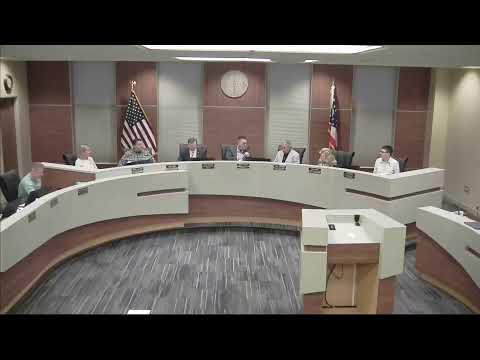
The Xenia City Council on March 12 approved an ordinance to rezone the former Rosenia Armory property at 39 Winder Street from P1 (public and institutional) to B1 (convenience business district), with staff saying the change better conforms to neighboring business uses and could improve prospects for redevelopment.
Dolly Klein (500 Smith Avenue) told the council she has lived in Xenia for decades and urged the council to reconsider the rezoning. She raised three central concerns: preservation of the aesthetics and community character of Shauny Park, traffic congestion and safety at nearby intersections (Weaver Street and Detroit Street) and ecological impacts. Klein said the armory is a ‘‘major breeding site for the small brown bat’’ and offered a conservative estimate of ‘‘at least 200’’ bats that roost and breed at the facility; she described those bats as important for pest control and pollination.
Staff presented the rezoning as consistent with prior analysis and the city recommended advancing the ordinance. After a public hearing and discussion, council approved the rezoning by roll call.
Why it matters: The rezoning changes the allowable uses for a prominent property near a downtown park and could change traffic and ecological conditions. Residents requested more study of traffic impacts and environmental considerations before redevelopment proceeds.
Next steps: The rezoning clears the property for prospective bidders; any future development proposals will follow required permitting and environmental review procedures. The ecological claim about bat populations was raised by a resident during the hearing and was not independently verified by staff at the meeting.