Get Full Government Meeting Transcripts, Videos, & Alerts Forever!
Get email alerts on the Vacant Building Registration topic
No spam. Unsubscribe anytime.
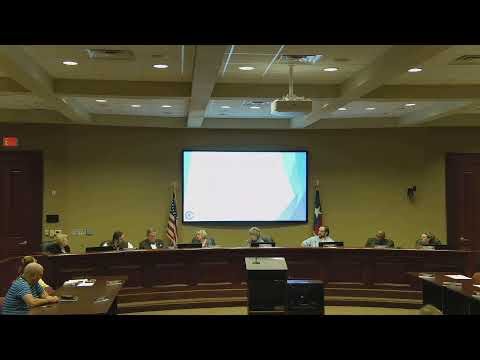
Commerce council tables vacant‑building registration ordinance after residents voice concerns
Summary
City staff recommended removing an insurance requirement from a proposed vacant‑building registration ordinance and defended an annual inspection tool; residents and property owners raised privacy, cost and practicality concerns and the council voted to table the ordinance for further work and public discussion.
City Manager Lizendy told the Commerce City Council on March 23 that staff recommends removing any insurance requirement from the proposed vacant‑building registration ordinance because insurers will not write policies for vacant buildings and an insurance mandate would be infeasible to comply with. "Staff is recommending that we remove any requirement from insurance," Lizendy said, noting insurers generally decline to underwrite vacant structures.
The ordinance — presented to the council for a second reading and public hearing — is intended to create an annual inspection process and other tools to address hazards that existing code enforcement cannot detect from the public right‑of‑way, staff said. Lizendy said the measure is meant to add a "toolbox" to address risks such as fire, vermin and long‑term neglect without automatically criminalizing owners.
Why it matters: staff cited feedback from the city’s strategic and comprehensive planning processes showing residents worry about vacant properties, and cited a long‑running case — the Ponderosa Reliable Oak Apartments behind Dollar Tree — as an example of a property that required demolition and years of remediation planning. Staff estimated demolition of that property could cost about $1 million; the city now owns the site following tax foreclosure but a six‑month redemption period ends this summer.
During a nearly hour‑long public comment period, property owners and landlords urged the council to reconsider. Melissa Walker, who identified herself as a local landlord, said the program would impose significant administrative and financial burdens on small property owners already subject to residential safety inspections. "I oppose the proposed ordinance… it will cause greater hardship on property owners," Walker said. Longtime owner Amir Rahman described the proposal as government overreach that would raise the cost of doing business in Commerce.
Staff responded to several recurring questions: rental properties between tenants and properties with active building permits would generally not qualify as "vacant" under the proposed ordinance; properties actively marketed for sale would likewise be excluded; and staff said fees were designed to cover inspection costs rather than be punitive.
The council voted to table the ordinance and asked staff to schedule further discussion at an April workshop so the measure can be revised in response to public feedback. The item was tabled by motion with an oral voice vote and will return for additional consideration at the April workshop, when staff said it will clarify vacancy definitions, fee structure and the proposed exclusions for active marketing and permitted renovation.