Get Full Government Meeting Transcripts, Videos, & Alerts Forever!
Get email alerts on the Housing Regulation topic
No spam. Unsubscribe anytime.
St. Albans moves to require registration, inspections and state certification for sober‑living and group homes
Summary
Mayor Scott James said the city will send proposed rules to the ordinance committee that would require group homes and sober‑living residences to register, obtain a business license, pass building and fire inspections and—where applicable—carry state certification; occupancy thresholds for sprinkler requirements were also discussed.
Mayor Scott James said St. Albans will move to regulate residential group homes and sober‑living houses by requiring registration, a business license and local building and fire approvals.
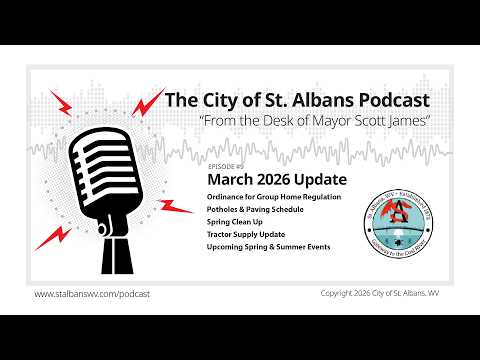
"They're going to have to register. They're going to have to get a business license. They're going to have to get approval by the building and fire inspector and fire marshal," Mayor Scott James said on the city podcast. He added the city intends to require state certification for certain homes that open in St. Albans.
The proposed rules, the mayor said, aim to encourage well‑run sober‑living homes while helping the city "thin out the bad ones." City officials discussed occupancy thresholds: homes with six or more occupants would be treated as lodging and would be required to meet sprinkler and other lodging‑level safety standards, while five or fewer occupants would be classified as residential.
Scott James said St. Albans reviewed ordinances from other West Virginia cities, including Parkersburg, to shape the city's approach.
Why it matters: proponents say registration and inspections improve resident safety and ensure emergency access; critics of regulation sometimes argue local governments can unintentionally limit housing options for people in recovery. The mayor framed the change as a public‑safety and oversight measure rather than a ban.
What happens next: the mayor said the proposals will go to the city’s ordinance committee for further drafting and review. No formal council action or vote was recorded during the podcast.
The hosts did not provide text of a draft ordinance or a timeline for a committee hearing; those details will be set during the ordinance committee process.