Get Full Government Meeting Transcripts, Videos, & Alerts Forever!
Get email alerts on the District Budget topic
No spam. Unsubscribe anytime.
White Plains school officials present preliminary $285 million budget, recommend 1.6% tax‑cap levy increase
Summary
District leaders presented a $285 million preliminary budget for 2026–27 that preserves programs and stays within the state tax cap, estimating a 1.6% levy increase and highlighting state aid growth, PILOT impacts and contingency risks if voters reject the plan.
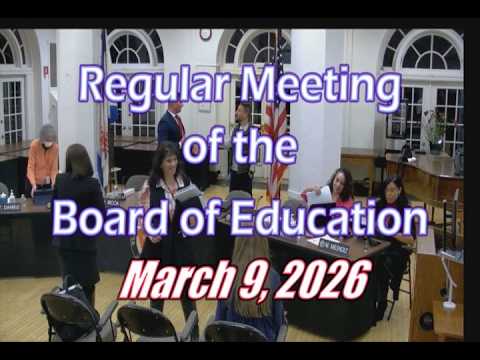
White Plains City School District administrators on March 9 presented a $285 million preliminary budget for the 2026–27 school year and recommended a 1.6% increase in the property tax levy that they said remains within the state tax‑cap framework.
The presentation, the fifth in the district’s budget cycle, emphasized that about three‑quarters of the budget (roughly 76%) funds classroom and student services. District presenters said revenues rely on real property taxes (about $210 million, or roughly 74% of appropriations), state aid (about $55.3 million) and other sources including PILOT (payment‑in‑lieu) receipts and sales tax.
Officials told the board PILOT agreements and near‑zero tax‑base growth have constrained allowable levy growth. District staff said an anticipated $1.3 million increase in PILOTs will reduce levy capacity and that the levy calculation, including allowable growth and capital exclusions, yields the recommended 1.6% levy increase. "Everything in this proposed budget supports 100% of the programming, 100% of the extracurriculars, the arts, the athletics — everything that our children have available to them today is supported in this budget and within the tax cap," one presenter said.
The board heard a detailed breakdown of expenses and risks: staffing (about 1,237 employees), benefit cost drivers (TRS and ERS pension changes and an 8.7% composite health insurance increase), utilities and property insurance price pressure, and expiring debt items (about $37.7 million in serial bonds and an energy performance lease). Presenters described using reserve funds to smooth pension and one‑time costs and said favorable construction bids reduced planned borrowing from $60 million to about $50 million, yielding lifecycle savings.
Officials also summarized the governor’s January proposal and its local implications: an estimated $1.1 million in additional aid for the district (about a 3% increase over projected 2025–26 aid) and statewide moves to expand full‑day universal prekindergarten and potential new mandates such as school‑vehicle electrification. District leaders said such mandates would require additional guidance and possibly new funding sources.
Administrators warned of the budget’s downside if voters reject it: a failed budget could force roughly $3.3 million in spending reductions, with impacts concentrated in instructional programs. They reiterated key dates: the proposed budget adoption is scheduled for April 13, the public budget hearing on May 11, and the public vote on May 19, 2026.
The board did not amend the preliminary plan at the March 9 meeting and directed staff to continue community outreach and analysis ahead of the April adoption and May vote.