Get Full Government Meeting Transcripts, Videos, & Alerts Forever!
Get email alerts on the Transportation topic
No spam. Unsubscribe anytime.
Palm Coast council backs seeking grants to lower neighborhood speed limits, declines city funding this cycle
Summary
After a staff presentation showing residential 85th‑percentile speeds justified a drop from 30 to 25 mph, the council agreed to pursue grants and targeted traffic‑calming projects but decided not to commit city funds this budget cycle because of high sign‑replacement costs and other priorities.
Palm Coast City Council on March 17 heard a traffic-engineering study recommending a reduction of residential speed limits from 30 to 25 miles per hour and agreed to pursue grant funding for targeted safety work rather than use city capital in the current budget.
The study presented to the council, based on Kimley Horn field data and Florida Department of Transportation guidance, found 85th‑percentile speeds on many side streets met the technical threshold to post 25 mph. Staff warned the change would require new signage at every residential entry because Florida’s default posted speed is 30 mph; staff estimated roughly 2,400 signs would be needed and that outside bids could total about $1.3 million (in‑house installation estimated at roughly $550,000–$600,000).
Traffic engineering staff said collectors did not meet the criteria and would remain at 30 mph under the study’s rules. The presentation also covered crash and injury counts over a five‑year period, noting a small number of major and minor injuries on residential streets and no residential fatalities within the dataset.
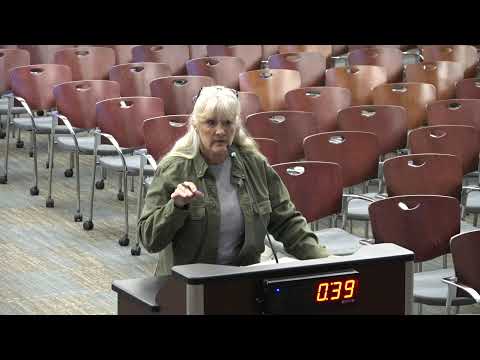
Council members and residents pressed staff on tradeoffs including enforcement needs, the uneven impacts of long collector streets on averaged data, and the cost‑benefit of spending resurfacing or microsurfacing funds on signs. Public commenters called for prioritizing crosswalks, sidewalks and site‑specific calming devices rather than a blanket sign replacement program. "I agree — focusing on crosswalks, sidewalks and grant funding is essential," said resident Jeannie Dwarte during public comment.
Vice Mayor Ponti said she supported continuing the effort to secure outside funds: "I would pursue this if we can get some money from somewhere else; I'm not sure I would pursue it if it had to be paid out of our budget," she told council during deliberations. Council members voiced support for targeting the highest‑risk locations first and for pursuing TPO and federal safety grants (SS4A) to reduce the city cost.
The council’s direction was procedural: staff will continue to pursue grant opportunities and narrow proposals toward high‑priority crosswalk and traffic‑calming projects. The council declined to dedicate city funds during this budget cycle for wholesale sign replacement, citing limited budget capacity and competing priorities. Staff will return with grant applications, updated cost estimates and, where appropriate, site‑specific recommendations for council action.