Get Full Government Meeting Transcripts, Videos, & Alerts Forever!
Get email alerts on the Fertility Trends topic
No spam. Unsubscribe anytime.
U.S. Census: Births rose among women entering their late 40s while childlessness climbed for younger women
Summary
Anita Lee of the U.S. Census Bureau summarized Current Population Survey fertility-supplement results showing an increase in births among women entering their late 40s between 2014 and 2024 and a rise in childlessness across most younger age groups; Lee pointed listeners to an America Counts story and census.gov for full details.
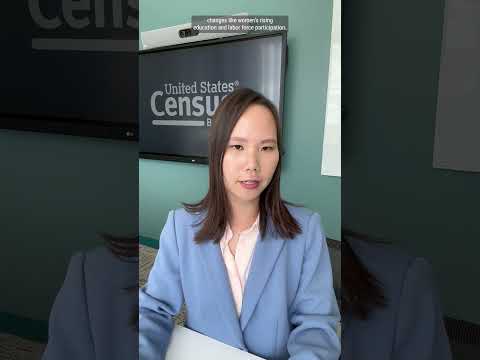
Anita Lee of the U.S. Census Bureau said new analysis from the Current Population Survey fertility supplement shows more women had children as they entered their late 40s between 2014 and 2024. "The data show more women had children as they enter their late forties between '20 14 and 2024," Lee said.
Lee said the share of women without children increased across nearly every age group during the decade, with one exception: women ages 45 to 50. "The show of women without children increased in every age group during this decade, except those ages 45 to 50," she said. She added that the rise in childlessness was "especially steep among women in their twenties and early thirties."
Explaining possible causes, Lee pointed to longer-term social trends: "Changes reflect broader changes like women's rising education and labor force participation," she said, adding that while many women eventually have children later in life, the data suggest some are delaying parenthood further than in the past.
Lee framed the findings as part of a broader reporting package: "I write more about this in a story on America Counts. You can check it out at census.gov," she said, directing listeners to the Census Bureau's online write-up for more details and tables.
The presentation did not include specific percentage rates or raw counts in the briefing; Lee referenced the fertility supplement as the data source and pointed audiences to the Census Bureau's published materials for full estimates and methodology.