Get Full Government Meeting Transcripts, Videos, & Alerts Forever!
Get email alerts on the Traffic Safety topic
No spam. Unsubscribe anytime.
Circulate San Diego outlines pedestrian and bicycle safety work after grant; council presses for clearer fatality data
Summary
Circulate San Diego told Imperial Beach council it has recorded 61 pedestrian and bicycle crashes from 2020–2024 (19 in 2024) and identified fatalities; the nonprofit described walk audits, helmet distribution, daylighting quick-builds and wayfinding signs funded by an Office of Traffic Safety grant.
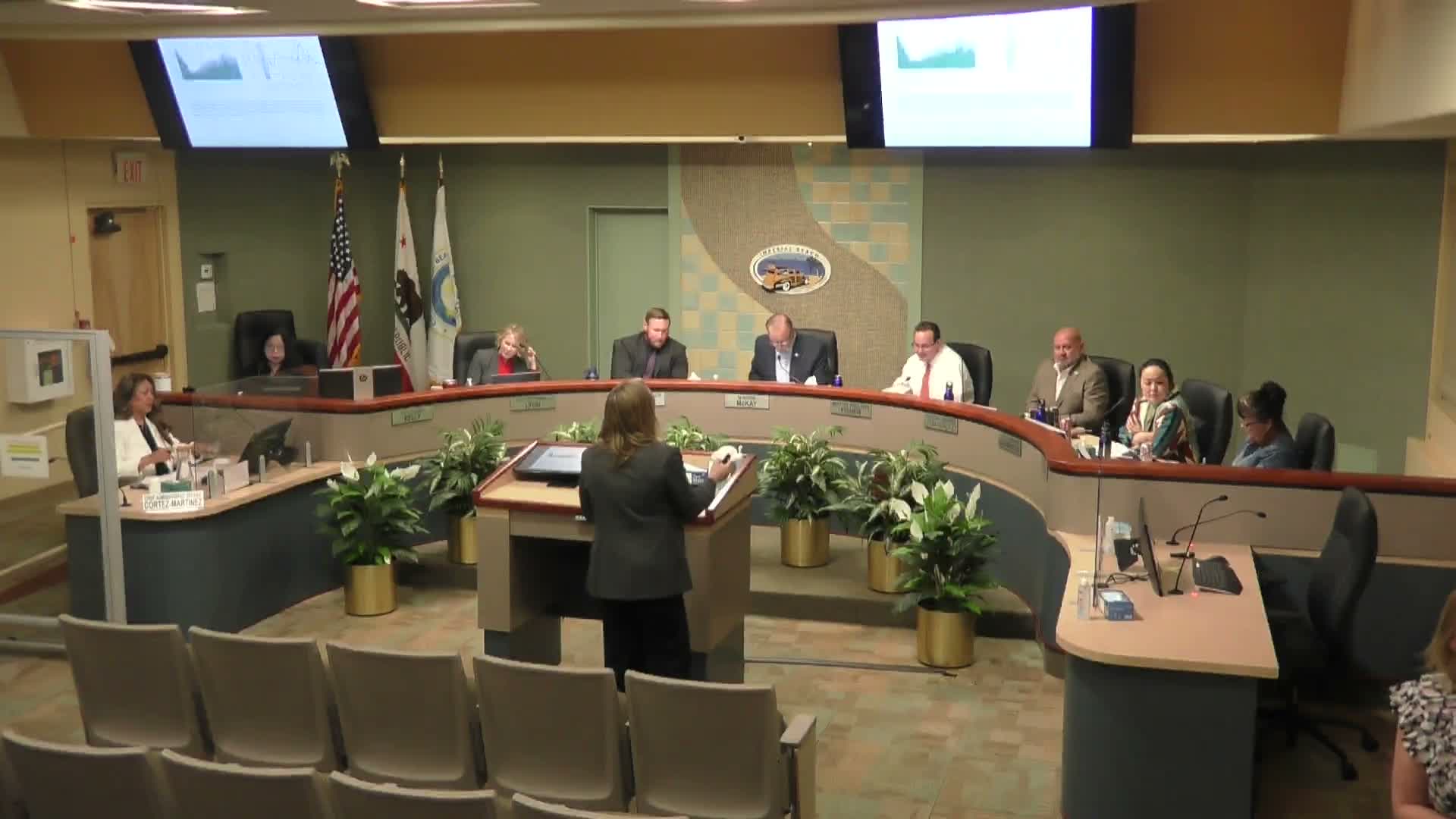
Octavio Garcia of Circulate San Diego presented the city’s pedestrian and bicycle safety work funded by a California Office of Traffic Safety grant at the Feb. 4 council meeting.
Garcia displayed a crash map for Imperial Beach and said "within this 4 year period, there was a total of 61 pedestrian and bicycle crashes, with 2 fatalities in 2024." He said walk audits, outreach and infrastructure improvements — including Bike Anywhere Day pit stops, helmet giveaways, a short video highlighting bikeways and quick‑build daylighting installations — were part of the first grant cycle and that the current cycle expands programming.
Circulate described planned activities for the new grant year: three walk audits (one intended with Mar Vista High and one with an elementary school), more helmet and safety‑material distribution, additional Bike Anywhere Day pit stops, a video highlighting new infrastructure such as 9th Street and the Bayshore Bikeway, wayfinding signage along Palm Avenue and IB Boulevard, and testing daylighting zones with bike parking taken from other cities’ examples.
Councilmembers asked detailed questions about the crash data and e‑bikes. The presenters said their mapped data were taken from TIMS (the UC Berkeley police‑report data source) and that they are supplementing TIMS with medical examiner reports because not every fatality shows up in TIMS. Circulate staff also described new data collection funded under the grant — helmet surveys, pedestrian counts and near‑miss surveys — to capture incidents that are not reported to police.
Mayor McKay and others emphasized the importance of trend charts and clearer labeling of fatalities on the map. The council voted to accept and file the presentation and encouraged Circulate to continue supplementing the record with medical examiner and other data.