Get Full Government Meeting Transcripts, Videos, & Alerts Forever!
Get email alerts on the Land Use topic
No spam. Unsubscribe anytime.
Resident and staff split over accessibility fixes for long-running Central Avenue development
Summary
A resident argued a 2016 development didn’t meet current accessibility standards and asked the council to revisit developer obligations; staff said the project met 2016 requirements and reopening settlements would set difficult precedents.
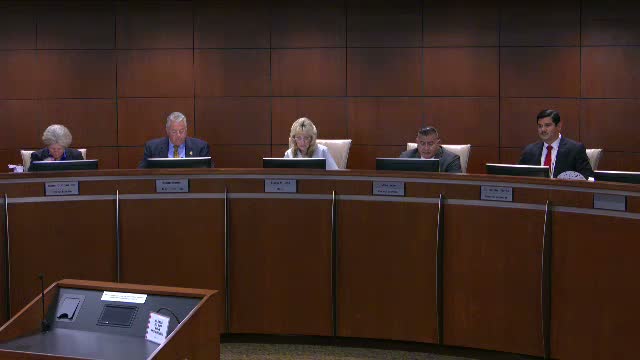
A public exchange about a development approved in 2016 highlighted competing views over who should pay for deferred accessibility and street improvements.
Community member Albert (speaker 18) told the council the development’s built improvements do not meet current accessibility standards and that future street widening could force the city to repave, move trees and remove a retaining wall unless the developer is required to correct work now. “It just puts a huge burden on the city in the future for something else that the developer should have been responsible for,” the speaker said.
City engineering and planning staff responded that the project was approved on 08/16/2016 and was constructed between 2016 and 2019, and that staff elected to accept the improvements as meeting 2016 requirements rather than reopen settlement agreements. The city engineer (speaker 33) said some older projects were treated as accepted-as-constructed and that reopening settlement agreements could create precedents that would affect other developments.
Council members acknowledged mistakes in past reviews but said wholesale reconstruction now could harm nearby businesses. One councilmember noted the difficulty of assigning blame after a decade and cited staff turnover and the COVID period as complicating factors.
Outcome: No formal vote was taken to reopen the project’s agreements. Staff described possible follow-up steps, including contacting the developer about potential improvements, but said they were cautious about creating legal precedents by reopening settled cases.