Get Full Government Meeting Transcripts, Videos, & Alerts Forever!
Get email alerts on the Assessments And Curriculum topic
No spam. Unsubscribe anytime.
Jenkintown SD reports midyear gains in pilot assessments, board to consider buying manipulatives
Summary
District staff told the board that midyear AimsWeb screening and results from an Amplify/Class Assessment pilot showed student gains districtwide, and recommended purchasing manipulative kits and continuing professional learning; some parents voiced concerns about curriculum sequencing in public comment.
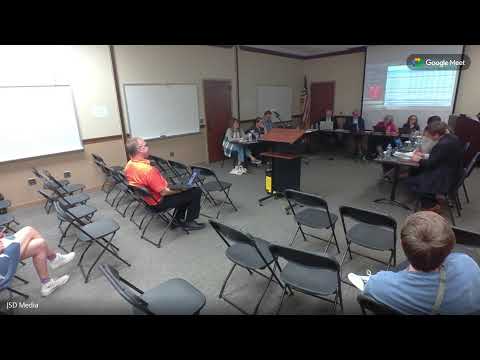
The Jenkintown School District presented midyear results from universal screening and a classroom pilot on March 9, saying the data show movement of students out of high- and moderate-risk categories and a notable rise in proficiency after a yearlong pilot of the Amplify/Class Assessment Suite.
District staff reviewed AimsWeb universal screener results collected in January and described how the data are used three times per year to monitor progress and target interventions. The presenter said the district saw “students moving out of high risk” in literacy and math across several grades and highlighted work by the MTSS team to tailor interventions to students who remain at higher need.
Why it matters: The board is expected to consider approval of related purchases at an upcoming business meeting; the results will influence whether the district adopts Amplify more broadly and how it phases in materials and professional learning.
According to the presenter, the Amplify/Class Assessment pilot produced district-level changes the staff characterized as meaningful: “we increase our students performing essentially proficient and advanced 55, to 73 percent,” and the district reported a 14 percent decrease in students performing well below benchmark. Staff said they triangulated Amplify data with AimsWeb and found broadly similar signals across the platforms.
Staff emphasized implementation supports and costs. The presenter said the online pilot experience cost roughly $25,000 and estimated per-student licensing at about $50 for Amplify versus roughly $40 for the previously used Everyday Math product; staff recommended purchasing manipulative kits to address teacher feedback and phasing out older materials over time. Teachers’ survey feedback, staff said, was generally positive with consistent requests for more manipulatives and attention to pacing and workbook size.
Public commenters and questions from board members focused on comparability and parent-facing information. One parent at the podium said a second-grade homework assignment on money felt developmentally inappropriate and asked about home resources; the district responded that parent resources and clearer reporting are an area of growth. Another commenter asked why AimsWeb was retained as the universal screener rather than tools tied to curricula; staff replied that AimsWeb (and similar screeners) are curriculum-agnostic and provide a common benchmark to assess tier-one instruction while other tools (including Amplify) can supplement instruction and intervention.
Staff also noted emerging AI features in some platforms that suggest interventions for educators as decision support; presenters stressed that such features are in beta and that educator review remains central to any recommendations.
Next steps: Staff said board action to formally approve Amplify-related purchases (including manipulative kits and any continuing professional development) will be on a future agenda, and that the district will continue to report both screener and pilot data to the board and community.