Get Full Government Meeting Transcripts, Videos, & Alerts Forever!
Get email alerts on the Ice Policy topic
No spam. Unsubscribe anytime.
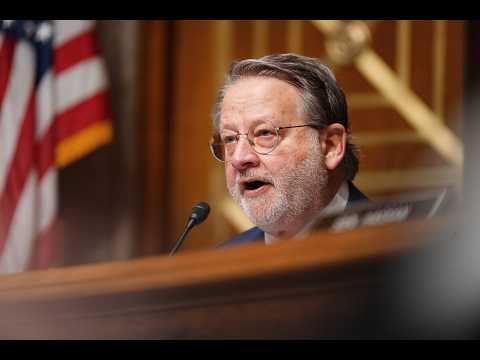
Senators press nominee on ICE tactics, detention sites and claims of classified overseas activity
Summary
At his DHS confirmation hearing, Mark Wayne Mullen faced questions about ICE instructions to 'forcibly enter' homes, large detention facilities built without local consultation, reassignments of HSI agents, and his previously described classified overseas 'special assignments.' Mullen pledged to work with communities, follow warrants except when pursuing a fleeing suspect, and attend a classified briefing requested by the committee.
Senators used large portions of Mark Wayne Mullen's confirmation hearing to press him on immigration-enforcement practices, detention sites and a previously undisclosed classified travel history.
On enforcement tactics, senators cited whistleblower testimony and reports that ICE training and directives had instructed agents to "forcibly enter" homes without judicial warrants. Mullen told the committee he had told staff that judicial warrants should be used to enter homes or places of business unless officers were pursuing a person who fled into the building. "We will not enter a home or a place of business without a judicial warrant unless we're pursuing the individual that runs into a place of business or a house," Mullen said.
Members also raised specific concerns about large detention facilities and local consultation. New Jersey lawmakers described an ICE purchase of a warehouse in Roxbury — a town whose population several senators said would be heavily affected by converting a large facility to hold detainees — and asked whether ICE had adequately informed local leaders about infrastructure, taxation and emergency services. Mullen pledged to "go with you personally and look at it" if confirmed and said documents were available for committee review.
Senators from both parties also asked about reports that Homeland Security Investigations personnel had been diverted from counter-crime missions (human trafficking, child exploitation) to election-related inquiries. Lawmakers expressed alarm that HSI resources had been reallocated and urged the nominee to restore mission focus; Mullen said he would review priorities and ensure personnel are assigned to core investigations.
Finally, senators pressed Mullen about public statements that he had taken part in "special assignments" overseas, asking why an FBI records check did not show a clear trace of classified operations referenced by the nominee. Mullen said the activity was classified, occurred while he was a member of Congress around 2015–16 and that only a small number of people were 'read in.' Multiple senators requested a classified briefing in the committee skiff to resolve outstanding questions; Mullen agreed to attend such a briefing but said he did not have authority to declassify details in open session.
Why it matters: Policies about home entries, detention capacity and use of investigative assets directly affect civil liberties, local governments and the department's ability to prioritize crimes such as human trafficking. Senators sought binding clarity on warrants, community engagement and whether HSI staffing should return to counter-crime work.