Get Full Government Meeting Transcripts, Videos, & Alerts Forever!
Get email alerts on the Cybersecurity topic
No spam. Unsubscribe anytime.
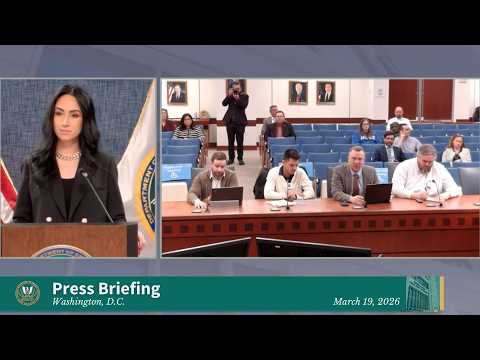
After approving cyber reliability changes, FERC chairman says agency and NERC use a 'two-prong' approach to grid security
Summary
In response to reporter concerns about cyber risk, Chairman Sweat said FERC approved standard modifications and will pair the formal standards process with voluntary, industry-driven best practices and interagency consultation to address fast-changing threats.
Reporters pressed the commission on how prepared the grid is to face cyber threats amid international conflict and evolving technology. Tom Tieran asked specifically how confident the commission is given that NERC standards can be slow to develop while cyber threats change rapidly.
Chairman Sweat said the commission and NERC are "doing everything we can to attack the cyber security risk from all possible sides" and described a two-pronged approach: proceeding through the formal rulemaking process required to adopt mandatory, enforceable standards while simultaneously encouraging voluntary, industry-driven best practices and coordination with interagency partners and utilities to move more quickly where needed. He noted that the commission approved new standard modifications that day.
Context: NERC (the North American Electric Reliability Corporation) develops reliability standards that, when adopted and enforced by FERC, become mandatory. The chairman emphasized that statutory and procedural steps must be followed for mandatory standards, but that voluntary practices and interagency coordination are important to address rapidly evolving cyber threats.
The chairman framed the approach as combining legal process with agility; reporters did not push additional technical detail during the briefing and the session moved on to cost and rate questions.