Get Full Government Meeting Transcripts, Videos, & Alerts Forever!
Get email alerts on the Infrastructure topic
No spam. Unsubscribe anytime.
FERC chairman says agency has authorized a wave of pipelines, storage and LNG projects and market reforms
Summary
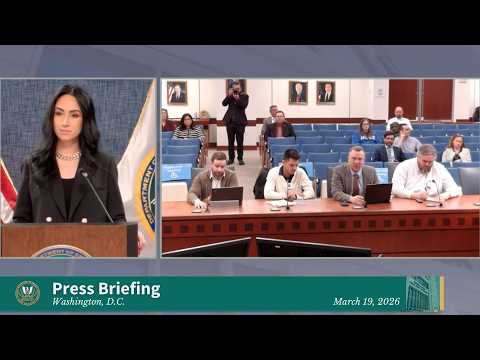
Chairman Sweat told reporters FERC approved dozens of orders and NEPA documents in recent months—including 18 natural gas orders and multiple LNG notices to proceed—and said accelerating infrastructure permitting and market reforms will boost supply and reliability.
Chairman Sweat said the Federal Energy Regulatory Commission has approved a large slate of energy infrastructure projects and market changes aimed at strengthening the nation’s energy networks and speeding new capacity online. He told reporters the agency has issued 18 orders for natural gas storage, pipeline and LNG projects and signed off on multiple NEPA documents and notices to proceed for construction at several LNG sites.
The chairman framed the approvals as part of a push to “build and safeguard the resilient energy backbone” and to ensure Americans have access to dependable, affordable energy. He said these approvals included more than 200 miles of pipeline and roughly 347,000 horsepower of compression orders, as well as nine NEPA documents covering more than 560 miles of pipeline and about 67,000 horsepower of compression. The agency also issued 91 notices to proceed at nine LNG project sites, he said.
Why it matters: FERC’s recent approvals, the chairman said, are intended to expand market access for U.S. oil and gas and to reduce bottlenecks that can drive price volatility. He described the work as part of broader electric market reforms the commission has advanced and said faster permitting and clearer regulatory steps will enable needed projects to come online sooner.
The chairman repeated that the commission is balancing established legal procedures for mandatory actions with more nimble, voluntary industry practices where appropriate. He said staff remain available for follow-up questions and that the briefing would continue with item-level staff discussion.
The briefing moved next to reporters’ questions about cybersecurity, DOE emergency actions and rate cases; the chairman invited online reporters to participate but none raised hands.