Get Full Government Meeting Transcripts, Videos, & Alerts Forever!
Get email alerts on the Hud Funding topic
No spam. Unsubscribe anytime.
Mesa staff recommend FY27 HUD funding allocations; council agrees to 30‑day public comment
Summary
City staff recommended FY27 allocations and policy priorities for CDBG, HOME, ESG, and locally funded human services/ABC programs, including a $2.3M emergency home repair set‑aside and contingent HOME gap funding to support affordable housing projects; council directed staff to publish the CDBG proposal for 30‑day public comment and return with options for Off the Streets funding.
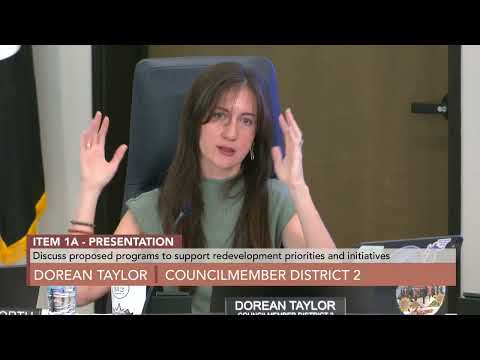
City staff on March 26 outlined proposed fiscal year 2027 allocations and a process timetable for federal and locally managed housing and human services grants, asking council for direction to proceed with HUD deadlines.
Staff described the entitlement process for HUD funds (Community Development Block Grant, HOME Investment Partnerships, Emergency Solutions Grant), explained scoring and competitive review procedures used by staff and the Housing & Community Development Advisory Board, and warned of compliance requirements that affect project timing (environmental reviews, Davis‑Bacon prevailing‑wage rules). For CDBG staff estimated an FY27 allocation near $3.6 million (pending HUD announcement) and recommended the city set aside funds for core programs: a $2.3 million emergency repair program to preserve low‑income owner‑occupied housing (last year the program assisted 165 homeowners, many elderly or disabled), public services within the 15% cap, and non‑public‑service (bricks‑and‑mortar) projects.
For HOME dollars staff estimated an entitlement near $1.29 million and described $3.0 million in total HOME availability after carryover; staff proposed using HOME as gap financing to support projects such as New Leaf’s Lama Phase 4 (54 units for seniors and veterans) contingent on the project securing Low‑Income Housing Tax Credits from the state. Staff cautioned that LIHTC awards are competitive and that alternative uses would be identified if projects fail to secure credits.
On ESG, staff recommended awards totaling the approximate $314,515 allocation (with a 7.5% admin cap) split between shelter operations and rapid rehousing. For locally governed funds staff recommended allocations from ABC (donated) and human services funds to a set of community nonprofits and said the committee had directed staff to continue seeking alternative funding sources for the Off the Streets program while holding the city’s human services set‑aside in the interim.
Council direction and next steps: because HUD requires public notice and has a fixed timeline, council agreed to send the CDBG funding recommendation to a 30‑day public comment period and to return to the council (noted May meeting date) with the required resolution authorizing award agreements. Councilmembers asked staff to analyze options for using HUD funds for city‑led, place‑based projects in future cycles, to provide clearer performance goals tied to major funding requests, and to bring risk assessments (timing and federal compliance) when proposing higher‑risk economic development uses of federal dollars.
What to watch: staff emphasized the need to balance slower, high‑compliance brick‑and‑mortar projects with faster moving activities (home repairs, emergency rehab) to avoid HUD spend‑down sanctions; they also flagged the EDA revolving loan fund option discussed earlier as promising but contingent on match and regional plan requirements.