Get Full Government Meeting Transcripts, Videos, & Alerts Forever!
Get email alerts on the AB130 Ceqa Housing topic
No spam. Unsubscribe anytime.
Foster City hears how 2025 housing laws fast‑track infill projects, tighten ADU deadlines and allow private plan reviews
Summary
An outside land‑use attorney told Foster City officials that AB 130 creates a new statutory CEQA infill exemption (sites up to 20 acres, two‑thirds residential), shortens certain approval deadlines, and that a package of 2025 bills tightens ADU timelines, authorizes private plan checks (AB 253) and creates new mandatory post‑litigation fines under AB 712.
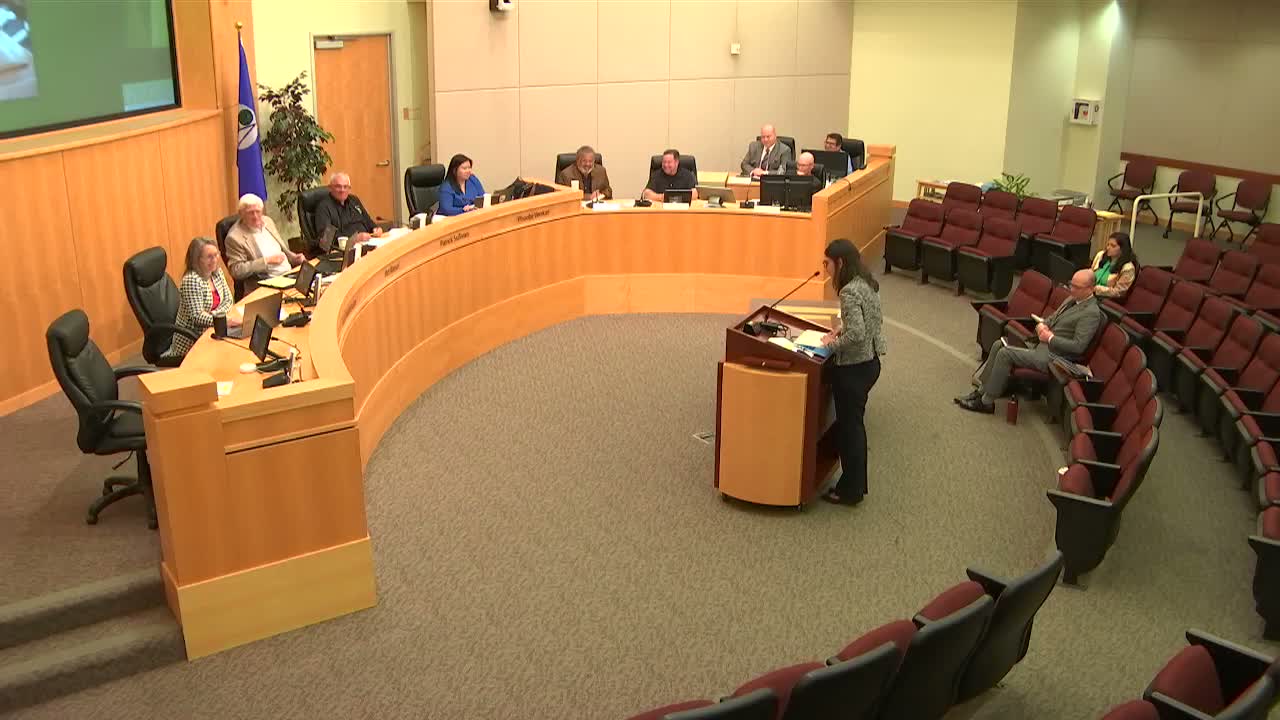
Eric Phillips, an attorney with the law firm Burke Williams Sorensen, briefed the Foster City Council and Planning Commission on a suite of 2025 housing laws that the presenter said are designed to accelerate housing production and tighten processing deadlines.
"The first thing that AB 130 does is it creates a new statutory exemption for infill housing projects," Phillips said, explaining that the exemption applies to sites 20 acres or smaller, requires at least two‑thirds of a project's square footage be residential and includes tribal consultation and a 30‑day shot clock for approval after the city completes its consistency review or tribal consultation. He warned staff to be mindful of the new deadlines because missing a requirement could expose the city to a developer claim that a project is deemed approved.
Why it matters: AB 130 and companion measures aim to speed approvals for infill housing and to create tools to mitigate vehicle miles traveled (VMT). Phillips said the state will develop a VMT mitigation/credit program that could allow projects to buy credits that fund transit or other infrastructure to offset travel impacts. The attorney also summarized SB 131, which includes project‑specific CEQA exemptions (for certain infrastructure and daycare facilities) and exempts rezonings needed to implement a housing element from CEQA.
The presentation covered accessory dwelling unit (ADU) law changes that shorten timelines and expand options. Phillips said four ADU‑related bills require cities to make a completeness determination within 15 calendar days and, if found incomplete and appealed, to decide the appeal within 60 days. He also summarized that cities must allow a primary dwelling plus up to three ADUs/JADUs (four units total), and that owner‑occupancy requirements for JADUs are prohibited if the JADU has independent sanitation.
On permit streamlining, Phillips described AB 253 and AB 1007: if a building permit plan‑check will take more than 30 calendar days, applicants may hire a private plan checker and submit an affidavit; the city then has 10 days to review the privately certified plans and can reject them within that period or risk the permit being deemed approved. Phillips said AB 712 also raises the stakes for cities that deny housing projects contrary to state guidance by mandating fines (for example, $10,000 per unit in certain circumstances) when courts find the denial improper.
Council members asked local questions: whether Foster City has LIHTC projects nearing a 15‑year resyndication trigger for potential RHNA credit (staff said some exist and staff will provide data), whether statutory deadlines are calendar or business days (staff and counsel confirmed calendar days), and whether the city should revise local ADU ordinance language to remove owner‑occupancy requirements (staff said yes and that an ordinance change is planned within the six‑month statutory window). Director Mangalam noted staff is tracking 108 housing element programs and is evaluating project management and reporting tools; staff may use consultant augmentation where appropriate.
What comes next: staff said it will report back with implementation steps, suggested ordinance amendments and staffing/technology needs to meet the new reporting and processing timelines. No formal action was taken; the council and planning commission asked staff to return with written proposals and data on local LIHTC properties and permitting capacity.