Get Full Government Meeting Transcripts, Videos, & Alerts Forever!
Get email alerts on the Proclamation Ethics topic
No spam. Unsubscribe anytime.
Council approves proclamation for Palo Alto Park Mutual Water Company after ethics objection from councilmember
Summary
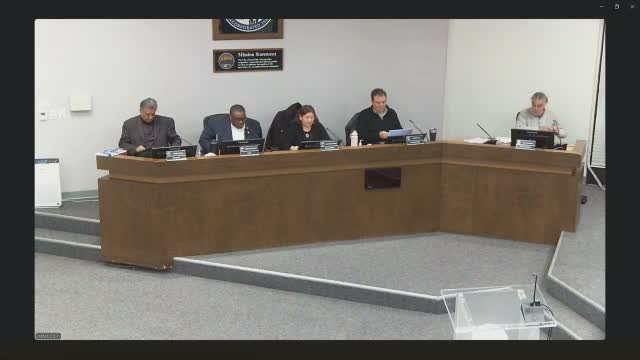
The East Palo Alto City Council approved a proclamation honoring the Palo Alto Park Mutual Water Company’s 101st anniversary, 4–1, after a councilmember objected to factual claims in the document and raised ethics concerns about the mayor’s family ties to the company.
The East Palo Alto City Council voted to approve a proclamation recognizing the Palo Alto Park Mutual Water Company’s 101 years of service, despite objections from one councilmember who called for revisions and questioned the mayor’s connection to the water company.
Councilmember Romero said he would not vote for the proclamation as written, objecting to several “whereas” clauses that he said overstated the company’s performance and noting his ethical concern that the mayor’s family has a long relationship with the utility. Romero also disclosed that he is a shareholder and said he had discussed the question of recusal with the city attorney and was told he did not have to recuse himself.
Mayor Lincoln read the proclamation into the record before the council took a vote. Fidel Allas, who identified himself as president of the Palo Alto Park Mutual Water Company, thanked the council and described the company’s local history and resilience, referencing investments made after the 1989 Loma Prieta earthquake and service during regional emergencies.
After discussion, the council voted by roll call: Mayor Lincoln — yes; Vice Mayor Bridal — yes; Councilmember Barragan — yes; Councilmember Dinan — yes; Councilmember Romero — no. The motion carried and the mayor presented the proclamation and invited directors of the mutual water company to come forward for a photo.
The council debate focused on two issues: factual language in the proclamation’s whereas clauses and the city’s process for issuing proclamations. Romero asked that proclamations be vetted and approved by the council before being distributed publicly. He moved to table the item pending revision; the motion to adopt the proclamation as presented ultimately carried.
The council did not adopt any policy changes related to oversight of private utilities at the meeting; Romero requested that staff return with a revised proclamation and that the council consider adjusting internal procedures to ensure proclamations reflect the council’s imprimatur.