Get Full Government Meeting Transcripts, Videos, & Alerts Forever!
Get email alerts on the Planning topic
No spam. Unsubscribe anytime.
Belmont planners present draft Safety Element update; wildfire, evacuation and sea level rise top community concerns
Summary
City planners and consultants presented a draft update to the General Plan Safety Element that adds sections on climate change impacts (including sea-level rise and emergent groundwater), evacuation, severe weather and emergency communication; staff will incorporate feedback and pursue adoption hearings this summer/fall.
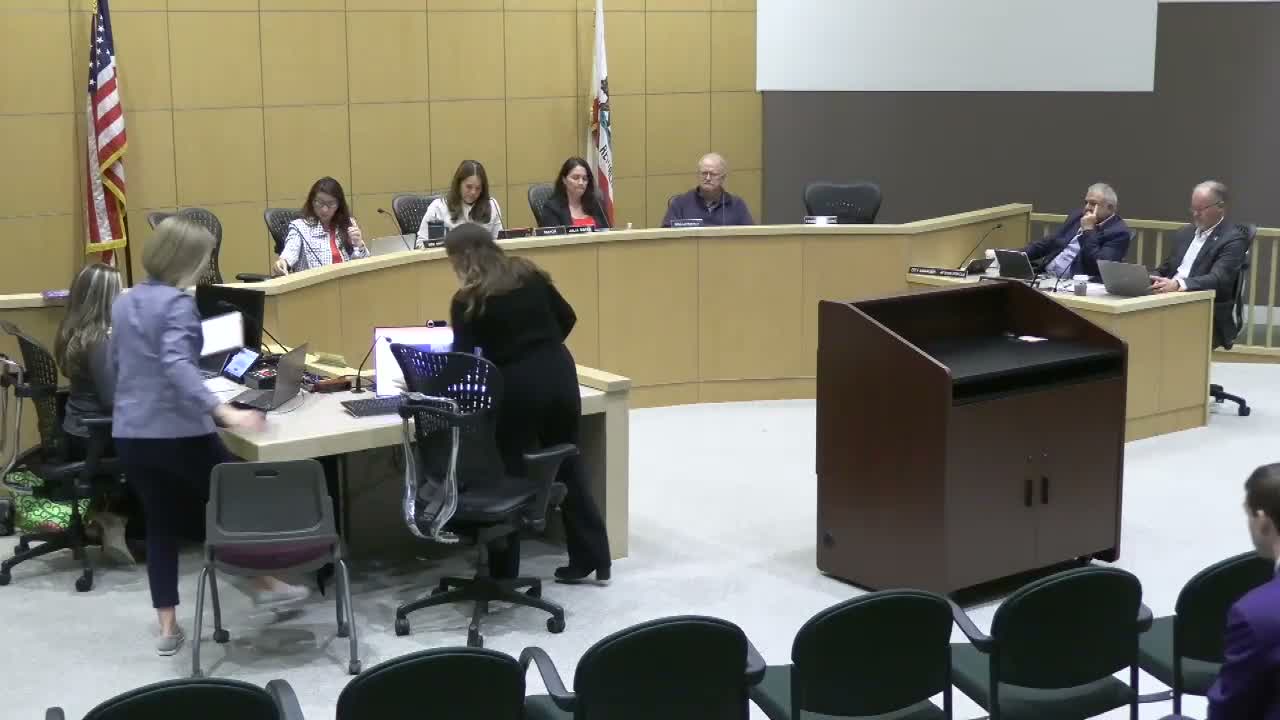
City planners and the PlaceWorks consultant team presented the draft update of Belmont’s General Plan Safety Element at the April 28 meeting, outlining new required content and proposed policies to respond to wildfire, flooding, sea-level rise and other hazards.
Adrienne Smith, principal planner, and Eli Crispi of PlaceWorks described the regional "Peninsula Resilience Planning Project" and explained that the updated safety element responds to new state requirements and the housing element cycle. The draft adds new sections on climate-change impacts, sea-level rise and emergent groundwater, severe weather and human-health hazards, and it revises maps and policies to reflect the best available science.
Crispi said wildfire, evacuation planning and communication gaps—especially for non–English speakers—were recurring themes in community engagement. He noted the draft incorporates feedback from 1 Shoreline (a regional sea-level rise body) and aligns with the county multimunicipal hazard mitigation plan.
Planning Commission feedback at a recent study session prompted staff to clarify policy language on responsibilities for existing development in fire hazard zones. Staff said the public review period remains open through May 14 and that they expect to proceed to adoption hearings at Planning Commission and City Council tentatively in early June.
Council discussion touched on continuity-of-operations planning for low-likelihood but high-consequence events, community outreach to non–English speakers, and interjurisdictional coordination. Staff emphasized that implementation actions in the draft will guide departmental workplans and highlighted opportunities to seek grant funding tied to maintaining consistency with regional mitigation plans.
The council did not take an adoption vote; staff will incorporate feedback and advance the draft through the public-review and state-agency review steps.