Get Full Government Meeting Transcripts, Videos, & Alerts Forever!
Get email alerts on the Economic Development topic
No spam. Unsubscribe anytime.
Cosmont market study finds high incomes, low multifamily vacancy; Foster City council accepts interim report
Summary
A consultant presented an interim real‑estate market analysis showing very high household incomes (about $250,000), strong educational attainment, 20,000 daytime jobs, a 600,000‑sq‑ft retail footprint and a roughly 15% office vacancy (improving); the council received the report and directed staff to proceed with community workshops and opportunity‑site work.
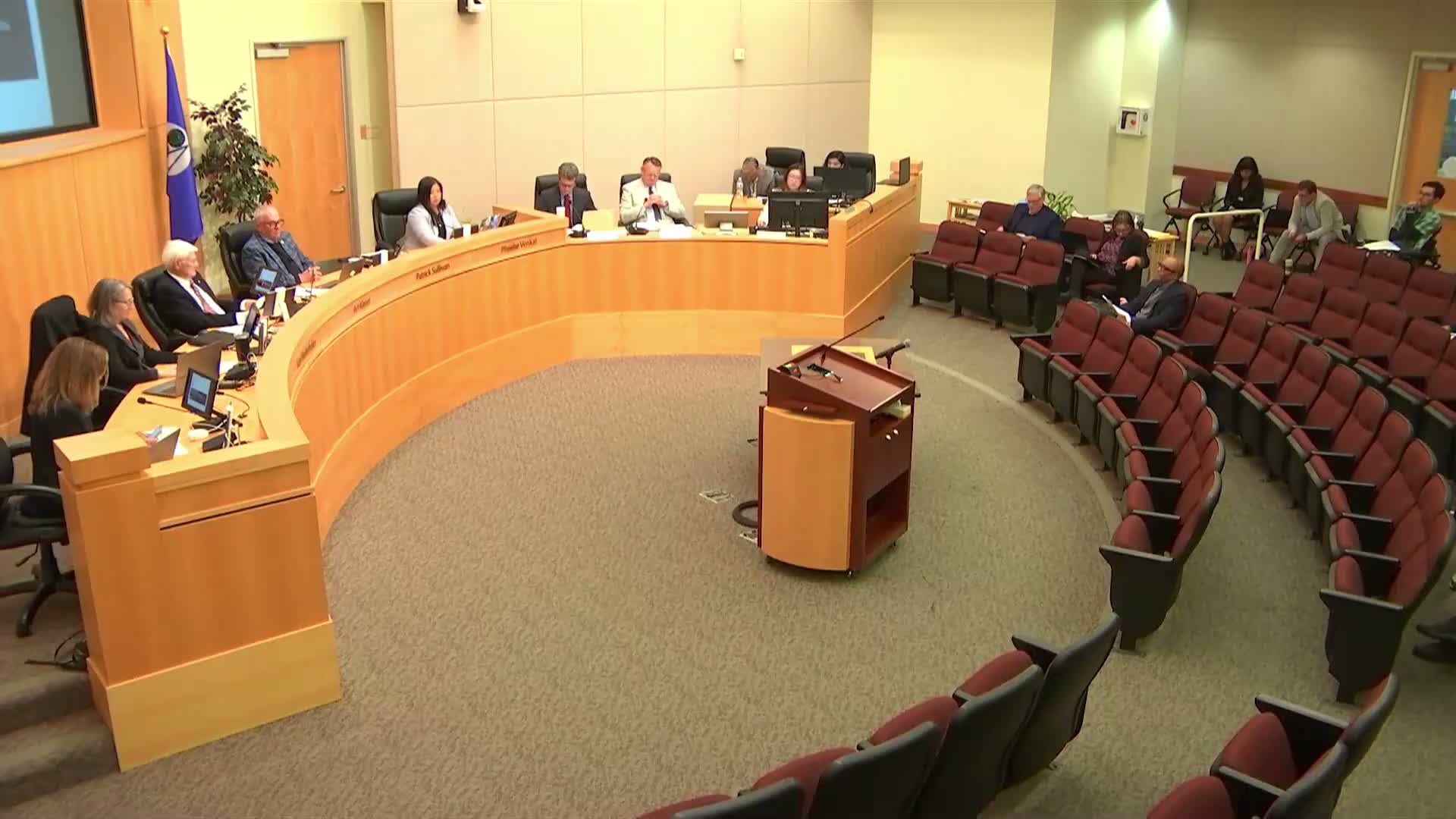
Cosmont Companies presented the first‑phase findings of a comprehensive real‑estate and economic market analysis to the Foster City City Council on April 20. The council voted to receive and accept the interim report and asked staff and the consultant to continue work on opportunity‑site identification and stakeholder engagement.
Community Development Director Sofia Mangalam introduced the update and said the presentation reflects an interim data set; Cosmont’s president, Ken Hira, summarized demographic and market findings. Hira said Foster City has a very high average household income (described in the presentation as roughly $250,000) and very high educational attainment (about 77 percent with bachelor’s degrees or higher). He said the city has a substantial daytime population driven by employment—roughly 20,000 jobs—and that the retail footprint is about 600,000 square feet.
On commercial markets, Hira reported that office vacancy rose during the pandemic to about 15% but appears to be improving as leasing activity resumes; industrial and flex space are strong and multifamily vacancy is very low (around 2%). He flagged retail “leakage” to regional centers and online commerce as a structural challenge and described drivers such as large anchor tenants and changing consumer habits. He told the council the next study phase will identify opportunity sites and integrate stakeholder feedback at a planned community workshop.
Councilmembers pressed on practical implications. One councilmember asked how the report informs city policy given high asking rents and landlord behavior; Hira emphasized that cities can’t directly set rents but can change permitting, signage, parking and use‑flexibility to improve leaseability. Other councilmembers asked for additional slices of the data (renter purchasing power, valuation of local companies, feasibility of conversions, and examples such as ghost kitchens and shared‑kitchen incubators).
A motion to receive and accept the report passed by voice vote; staff said Cosmont will return with opportunity‑site recommendations and a second update in June and that the firm will use the community workshop and survey input in subsequent deliverables.