Get Full Government Meeting Transcripts, Videos, & Alerts Forever!
Get email alerts on the Brown Act topic
No spam. Unsubscribe anytime.
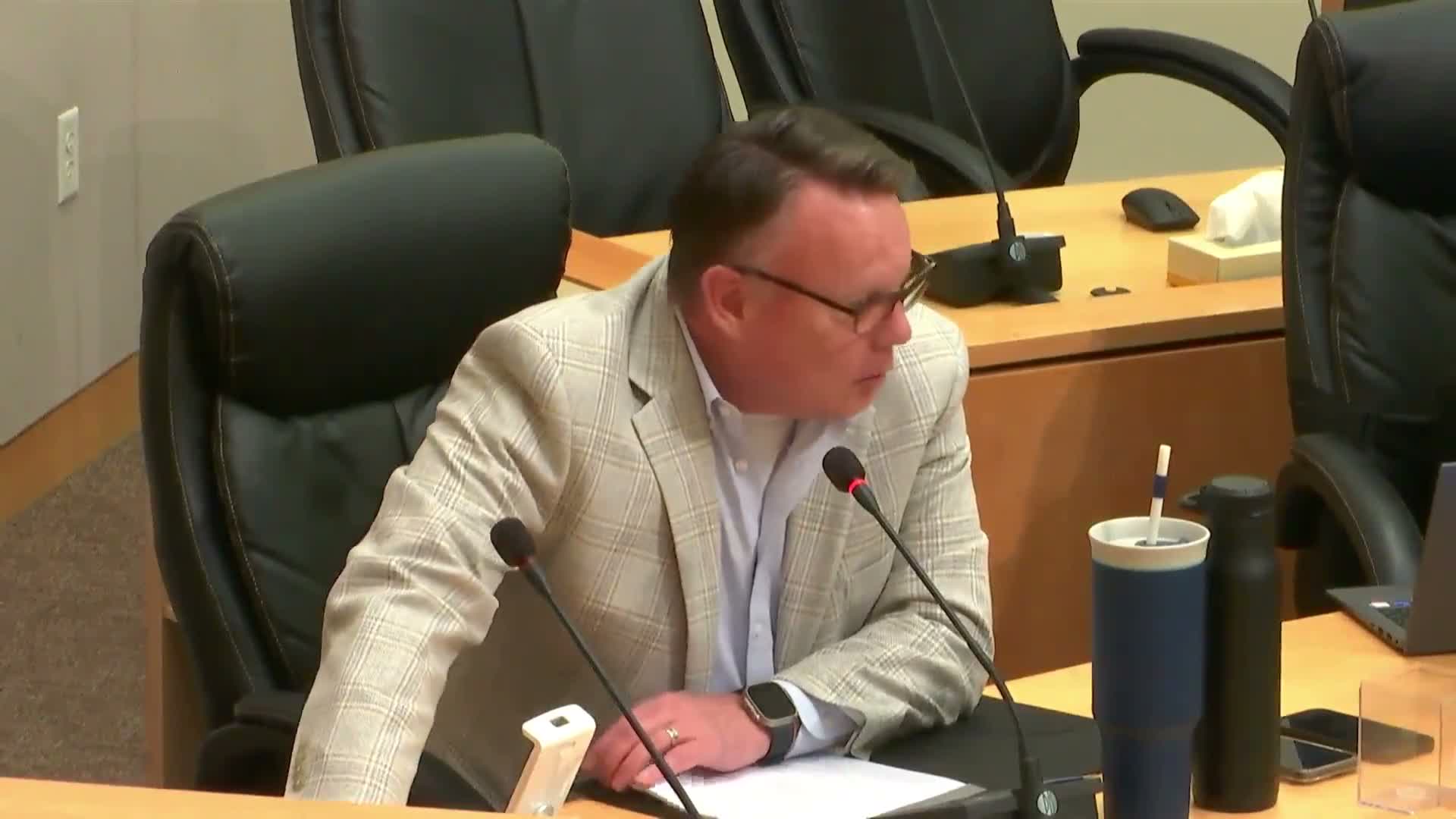
City attorney outlines Brown Act limits and SB 707 remote‑participation rules at Foster City retreat
Summary
City attorney Ben briefed the Foster City council on Brown Act requirements and new SB 707 teleconferencing rules, warning members about serial communications, social‑media interactions and the need to preserve public access and translation/captioning obligations for cities in San Mateo County.
Ben, the city attorney, delivered a practical briefing on the Brown Act and the impacts of recent state legislation during the Foster City council’s Feb. 10 retreat. He told the council that “any gathering of a majority of the members of a legislative body … to hear, discuss, deliberate or take action” on matters within the city’s jurisdiction meets the statute’s definition of a meeting and must be open to the public. He emphasized that off‑agenda deliberations—even brief ones—can violate the law unless they fit statutory exceptions.
The attorney walked members through common pitfalls and enforcement outcomes, noting that presiding officers may remove disruptive attendees only after a warning and consultation with counsel. He described recent litigation over reconvening locations after a recess and said courts have repeatedly stressed the importance of clear agenda notices.
On teleconferencing, Ben explained how AB 2449’s pandemic flexibility has been preserved and extended by SB 707, which removes the sunset and merges the former “just cause” and “emergency” teleconference exceptions. He said the change matters for Foster City because San Mateo County’s population exceeds the SB 707 threshold; that triggers obligations to enable remote two‑way participation and makes real‑time captioning and agenda translation requirements more likely to apply. “SB 707 says we can’t simply move on when technology fails,” he said, summarizing the statute’s new requirement that agencies recess and attempt to restore service for at least one hour before abandoning remote access.
During the question period, council members asked how the law applied to standing committees, regional meetings and communications such as reply‑all e‑mails and social‑media reactions. Ben warned that serial “hub‑and‑spoke” contacts and even emoji reactions can create Brown Act exposure, and recommended conservative practice: avoid reply‑all to council e‑mails, limit cross‑member social interactions about city business, and consult the city attorney before clearing disruptive situations in chambers.
Why it matters: the changes place new operational burdens and transparency obligations on local governments, including language‑access and captioning provisions that staff said will require policy updates and budget planning. Council members agreed to return later this spring with an agenda item focused on the city’s SB 707 compliance steps and any required updates to local procedures.