Get Full Government Meeting Transcripts, Videos, & Alerts Forever!
Get email alerts on the Transportation topic
No spam. Unsubscribe anytime.
SamTrans outlines Central El Camino Real multimodal alternatives to Belmont council; council favors bike-focused option
Summary
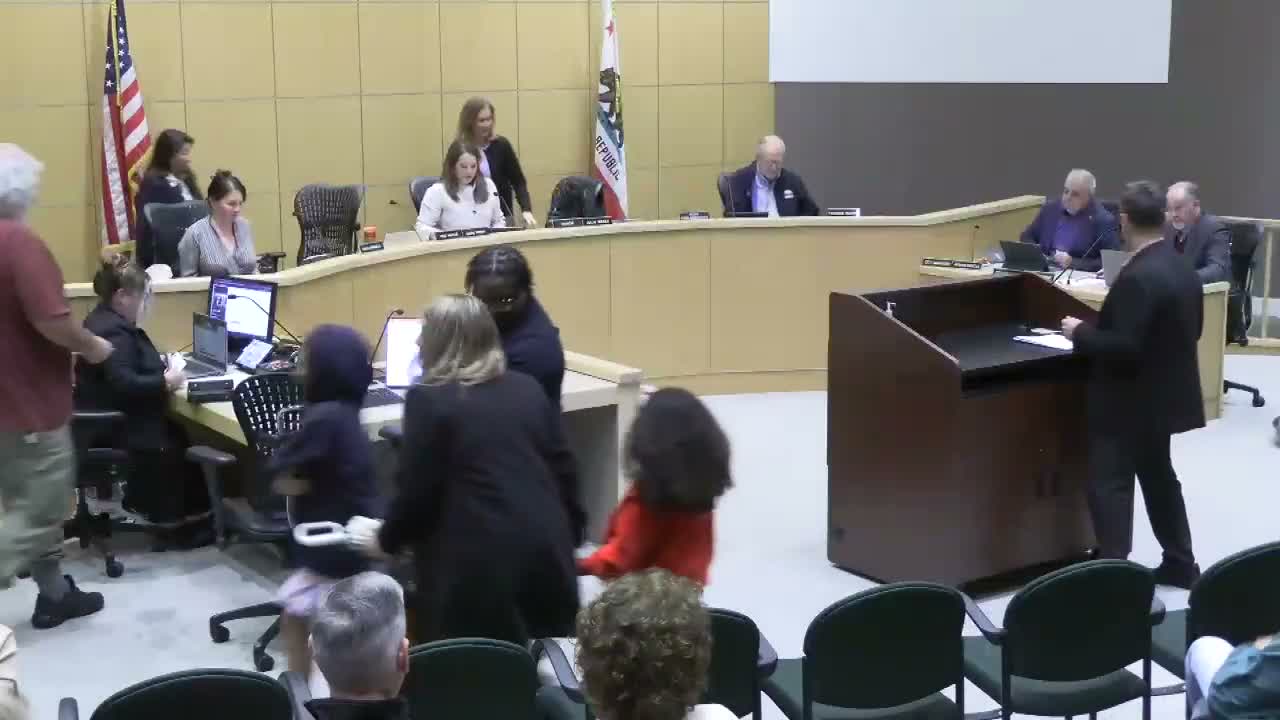
SamTrans presented design alternatives for the Central El Camino Real multimodal plan to the Belmont City Council on Feb. 10, 2026, detailing transit, pedestrian and bicycle options and a countywide evaluation process; council members voiced support for a bicycle-focused alternative while seeking continued coordination with Caltrans and neighboring cities.
SamTrans and its consultant team presented the Central El Camino Real multimodal plan to the Belmont City Council on Feb. 10, 2026, describing a corridor-wide effort across San Mateo County to improve safety and multimodal access on State Route 82. The presentation outlined three build alternatives—transit-priority, pedestrian-focused and continuous separated bicycle lanes—along with a baseline of spot safety improvements that would be included in any option.
The plan team told the council the process will extend through staged engagement this year, with phase 2 outreach extended into March and a virtual community workshop scheduled for Feb. 26. Staff said the design phase will begin in 2027 and that Caltrans, as the state owner of SR 82, requires evaluation of multiple alternatives before a preferred concept is selected for project development and environmental phases.
"We're looking to envision a different kind of corridor—one that is vibrant, safe and usable by people of all ages and abilities," SamTrans presenter Cassie Halls said. Team members said evaluation will weigh Caltrans policy alignment, local policy goals and community input; community scores may change as feedback is incorporated.
Council members and the SamTrans team focused on how alternatives would perform across the full corridor and how contiguous facilities would be if neighboring jurisdictions chose different options. "So the alternative evaluation is something that we're leading. Caltrans is ultimately the decision maker, but we are working with cities to determine how we're going to evaluate the alternatives," Halls said.
Several council members said they preferred the bicycle alternative for Belmont. "The one that makes most sense to me is the bicycle option that provides, you know, bus opportunity, bicycling opportunity," Councilmember Peng Maganaras said, adding that a strong bike backbone could improve access to transit nodes such as Caltrain. Councilmember McKeown said he was skeptical of a dedicated, curbside bus lane for the corridor, noting local bus frequencies are lower than in cities that successfully use continuous busways.
Consultant Ingrid (design lead) told the council a two-way cycle track is among the facility types under consideration and that local context—driveways, business access and which side-of-street activity is concentrated on—matters in selecting the appropriate cross section. "There’s definitely plenty of examples around the Bay Area of this," she said, while noting trade-offs for intersections and driveway crossings.
A bicycling public commenter urged the council and SamTrans to prioritize bike continuity across jurisdictions and to avoid a one-sided BRT configuration that would benefit travel only in one direction. The commenter recommended bidirectional bike lanes where feasible and urged systemwide coordination, saying fragmented segments reduce the overall benefit.
What happens next: SamTrans will continue community engagement and refine the alternatives with council and public input; the project team expects to return in late summer with recommended alternatives to advance into Caltrans’ project development process.