Get Full Government Meeting Transcripts, Videos, & Alerts Forever!
Get email alerts on the Education Career Pathways topic
No spam. Unsubscribe anytime.
East Troy principal Stacy Keane highlights ACE pathway and youth apprenticeship opportunities
Summary
East Troy High School leaders described five academic pathways and underscored the ACE (architecture, construction and engineering) pathway’s hands‑on coursework and connections to Wisconsin’s youth apprenticeship program, which enrolls roughly 40 local students annually.
Stacy Keane, principal at East Troy High School, told attendees that the school offers five distinct academic pathways designed to guide students’ course selection and post‑secondary plans, including health sciences, business/IT, liberal arts and sciences and the ACE pathway. "ACE stands for architecture, construction and engineering," Keane said, noting the pathway includes aligned coursework such as PLTW that can help students earn college credit.
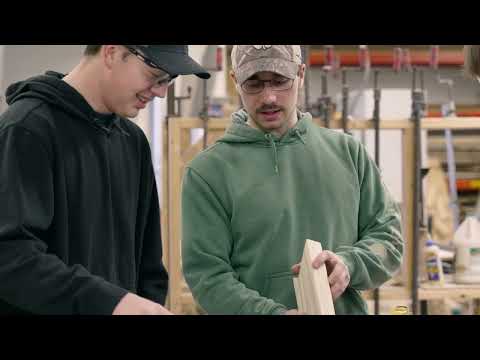
A teacher identified as Mr. Hoff described the ACE classroom sequence and how it prepares students for the workforce. He said students spend the first week or two on tool safety and then move into hands‑on learning in a roughly 12‑week course designed to give exposure to different trades and build employable skills. "Doing youth apprenticeship in high school helps you figure out what career you want to do when you graduate and it's really beneficial because you get work experience before you graduate," Mr. Hoff said.
Speakers said the youth apprenticeship program is a partnership between the Wisconsin Department of Workforce Development and public schools that allows high school students to learn workplace skills on the job while completing school. Keane and Mr. Hoff said East Troy High School enrolls about 40 youth apprenticeship students each year, a relatively high number for a school of its size, and that local business partners invest time and mentorship to support student career growth. Program features mentioned included Project Lead The Way (PLTW) coursework, hands‑on shop experiences and opportunities to build resumes and networks.
School officials did not specify funding sources or certification details for the apprenticeships during the presentation. They emphasized that the pathway and apprenticeship options are intended to give students practical experience, college credit opportunities and clearer pathways into careers or further education.