Get Full Government Meeting Transcripts, Videos, & Alerts Forever!
Get email alerts on the Elections topic
No spam. Unsubscribe anytime.
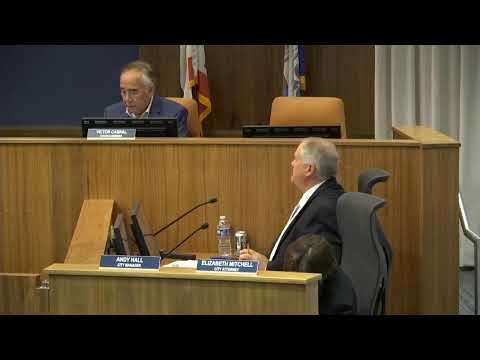
Council certifies citizens’ sales-tax petition, grants councilmember priority to file opposition argument
Summary
The council certified an initiative petition for a sales-tax measure and adopted procedures allowing rebuttals; it authorized Councilmember Zen Wu to submit an opposition argument as an individual, with the proponent retaining the right to file proponent materials (vote 5–0).
The San Clemente City Council certified a citizen‑initiated sales-tax petition May 12 and took steps to place the measure on the November 2026 ballot. The council also resolved procedural questions about where the measure will appear on the ballot, consolidation with the county, and how arguments and rebuttals will be handled under Elections Code procedures.
Council members agreed the city clerk should proceed to verify signatures and consolidate the measure with the county election. The council then debated whether the city should designate someone to write an official opposition argument. City staff and the city attorney explained two options: a council member may use the council’s top priority slot to submit an opposition argument while clearly stating they write as an individual, or proponents and private citizens can prepare arguments without council involvement.
Councilmember Zen Wu volunteered to prepare the opposition argument. Council members discussed the disclosure language that must make clear the author is speaking as a private citizen and not on behalf of the council. The council adopted resolution 26‑67 (filling the opposition priority with Councilmember Wu, with language clarifying he does not represent the council) and allowed rebuttals by the authors of the primary arguments, per state law. The motion passed 5–0.
The decision allocates the city’s priority slot for official ballot argument placement to a named council member but requires the author to identify themselves as an individual. Staff and the city attorney advised that the council could later choose to review or refine the language in a public meeting or allow the designated author to file directly.