Get Full Government Meeting Transcripts, Videos, & Alerts Forever!
Get email alerts on the Open Government topic
No spam. Unsubscribe anytime.
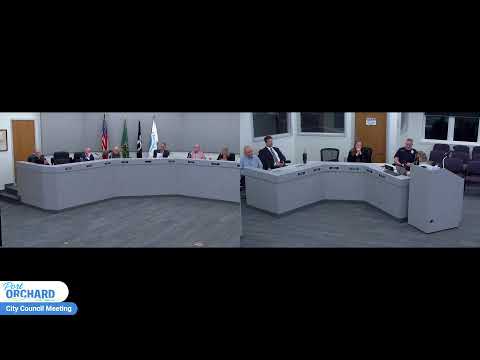
City attorney briefs council on OPMA and public records, warns of serial meetings and broad record definitions
Summary
Port Orchard's city attorney delivered an extended training on the Open Public Meetings Act and the Public Records Act, emphasizing that meetings can occur remotely or via serial communications and that public records include texts, social posts and even AI prompts.
The city attorney delivered a refresher training on Washington's Open Public Meetings Act (OPMA) and the Public Records Act (PRA), explaining common risks and recent case law that affect how city officials should meet and manage records.
Key takeaways included the definitions of "meeting" and "final action," notice rules for special and emergency meetings, limits on executive sessions and the risk of serial meetings that create a quorum through sequential communications. "Final action shall only occur in an open meeting," the attorney said, emphasizing that decisions made in executive session are invalid.
On public records, the attorney highlighted that the definition of a record is broad: handwritten notes, emails, text messages, social media posts and AI prompts can all qualify if they are prepared, used, retained or owned by the agency in furtherance of city business. She described the Nissen affidavit process (attesting that a search of a device has been completed) and underscored the five‑business‑day initial response period for public records requests.
Why it matters: The training reminded council members of the legal and practical obligations that flow from both statutes — for example, avoiding sequential communications on the same pending topic, offering at least one public comment opportunity on meetings that will take final action, and coordinating with city records staff when requests arrive.
The attorney recommended simple hygiene practices: segregate work and personal communications, use city‑issued devices where possible, and consult the records officer (Brandy) early when requests arrive. Council members asked procedural questions about retreats, attendance at community events and social media disclaimers; the attorney encouraged caution and, where appropriate, the use of personal disclaimers on social accounts.