Get Full Government Meeting Transcripts, Videos, & Alerts Forever!
Get email alerts on the Energy Costs Clcpa topic
No spam. Unsubscribe anytime.
Clinton County Legislature approves amended resolution urging state action on rising energy costs, removes 'state of emergency' language
Summary
Legislators amended and approved Resolution 208, urging the governor and state legislature to take immediate steps to lower energy bills, protect ratepayers and expedite base-load generation while removing a proposed "state of emergency" phrase after debate over its breadth.
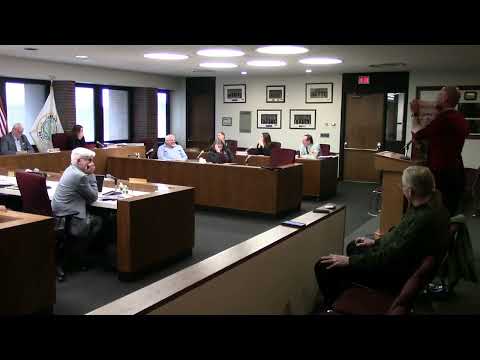
Legislator Castine moved and Legislator Kerr seconded Resolution 208, which expresses the Clinton County Legislature’s concern about escalating energy costs, including NYSEG delivery charges, and urges reassessment of early impacts of New York State’s Climate Leadership and Community Protection Act (CLCPA). The measure was amended and approved at the March 25 regular session.
Why it matters: The resolution responds to constituent complaints about rising electric bills and aims to push state action on both short-term relief and longer-term generation capacity. Lawmakers debated whether to include broad "state of emergency" language before settling on more specific requests to the governor and state legislature.
During floor discussion, Legislator Castine described material provided that morning by NYSERDA/NYSEG meant to help constituents decipher bills and suggested concrete steps such as allowing immediate action to lower bills, placing safeguards to protect consumers from extreme price spikes, initiating temporary suspensions of taxes, fees and surcharges on energy bills, and expediting construction of base-load generation. Castine said the NYSERDA/NYSEG text included language the committee wanted the legislature to consider but recommended removing overly broad wording. "One thing I would recommend personally is take the term state of emergency out of there," Castine said, explaining concerns the phrase could be interpreted in different ways.
Members questioned what ‘‘base-load generation’’ meant. A legislator clarified it refers to always-on generation — traditionally large plants such as coal, oil or nuclear that run consistently to meet a steady baseline of demand — as opposed to peaking resources called into service for short spikes.
Public comment preceding the debate echoed constituent anxiety about the CLCPA. Jeffrey Barker of Plattsburgh read from a previously published letter and argued New York’s CLCPA and other mandates would raise electricity costs and create new taxpayer burdens, citing school-bus electrification as an example: "The mandated electric school buses will have to be taxpayer paid and their excessive weight will reduce road lifespans from 10 to 8 years," Barker said.
After discussion, the legislature voted by voice to approve an amendment that adds a whereas paragraph urging the governor and state legislature to meet immediately to allow immediate actions to lower bills, place safeguards on utility bills, suspend taxes/fees/surcharges where appropriate, and expedite construction of base-load generation. The amendment carried on a voice vote and the amended resolution was then approved by voice vote. The clerk said copies of the amended resolution will be distributed to legislators.
What happens next: The approved, amended Resolution 208 will be circulated to legislators and serves as a formal county-level request that state officials consider both near-term consumer protections and longer-term generation planning. The resolution does not itself change state law; it asks state actors to intervene.
Notes on the record: NYSERDA and NYSEG materials were circulated to legislators the morning of the session; NYSEG representatives indicated willingness to appear at a future session to answer questions. The record does not show a detailed roll-call breakdown for Resolution 208 beyond the voice vote outcome.