Get Full Government Meeting Transcripts, Videos, & Alerts Forever!
Get email alerts on the Budget And Social Services topic
No spam. Unsubscribe anytime.
Commissioners flag trauma-informed care for incarcerated girls and growing budget pressure, urge regional approaches
Summary
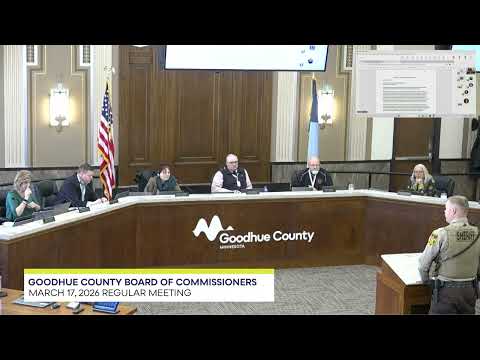
Commissioner Linda reported on a corrections task force that emphasized trauma-informed programs for incarcerated girls and relayed a call from the Association of Minnesota Counties to pursue regionalization as fiscal pressures increase; board members stressed that state and federal decisions drive local cost burdens.
Commissioner Linda reported to the board on two items: findings from a Department of Corrections task force on incarcerated women and girls, and takeaways from the Association of Minnesota Counties board meeting about regionalization and budget pressures.
On corrections, Linda summarized a statistical report (described in the meeting as spanning several years and roughly 7,000 cases) highlighting that many girls who enter the juvenile system come from trauma, including sexual abuse, and that effective programming must be trauma-informed. "No matter what kind of program you put together, it's got to be trauma informed," Linda said, stressing that trauma-informed approaches are foundational to addressing the needs identified by the task force.
On broader county finances, Linda said Association executive director Julie Ring urged county leaders to consider regionalization of services as a likely response to tight budgets. Linda and other board members discussed areas where regional approaches could be considered, including jails, dispatch and recycling, and emphasized that county officials have limited ability to absorb cost shifts from state and federal policy without increasing local property taxes.
Board members agreed that while upfront investment may be required, longer-term regional approaches can yield benefits. Speakers urged continued advocacy to state legislators, arguing that moves by the state or federal government to shift responsibilities to counties effectively translate into property-tax obligations for local residents.
No formal actions or referrals were recorded on these agenda items during the meeting; the items were presented as committee reports and discussion.