Get Full Government Meeting Transcripts, Videos, & Alerts Forever!
Get email alerts on the Market Structure And Stablecoins topic
No spam. Unsubscribe anytime.
Sen. Tim Scott says market-structure, stablecoin rules are nearing agreement; praises new SEC chair
Summary
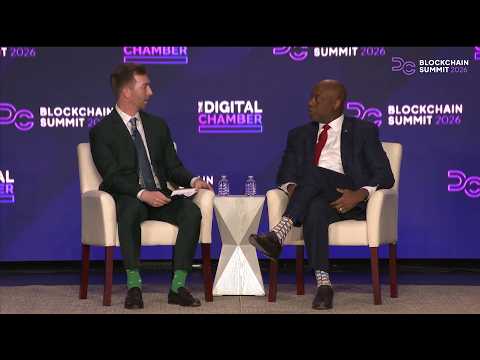
Sen. Tim Scott told an industry audience at a Digital Chambers event that bipartisan work on market-structure legislation and a stablecoin framework has accelerated, naming ethics, DeFi and Title One "front door" issues as remaining hurdles and saying he expects a proposal this week.
Senator Tim Scott, chairman of the Senate Committee on Banking, Housing, and Urban Affairs, told an industry audience at a Digital Chambers event that bipartisan negotiations on market structure and stablecoin rules have picked up momentum and that he expects a draft proposal to reach his desk this week.
Scott credited recent White House engagement and talks that include members from both parties and industry participants. "The Genius Act has already had a powerful impact for good in the market," Scott said, and he argued that clear market-structure rules are needed to keep entrepreneurs and capital in the United States.
Why it matters: Scott framed the work as shaping whether the U.S. becomes the global center for digital-asset activity. He tied the effort to broader economic goals — saying clearer rules would make the U.S. "the most economically dominant place on the planet" for founders and investors — and warned that delays driven by politics could push activity overseas.
Details from the stage: Scott described several technical and jurisdictional challenges that remain, including how Title One will define a regulatory "front door," how decentralized finance (DeFi) should be treated, anti-money-laundering (AML) concerns, and committee-level ethics and quorum questions. He said progress has been visible over the last month: "We have made a lot of progress ... the White House getting involved. Patrick Wood has been incredibly helpful," Scott said. He also referenced meetings with industry leaders, including Stripe's Patrick Collison.
On timing, Scott said he expects "the first proposal in my hands to take a look at" this week and that earlier internal deadlines he set forced necessary momentum. He characterized the stablecoin rewards question as one of the most publicly salient obstacles to reaching a markup.
Regulatory tone: Scott contrasted the prior SEC leadership under Gary Gensler with the current chair, saying, "Literally, Gensler was killing things as he went through," and praising Paul Atkins as "smart, refreshing" and willing to engage in the conversation. He presented clearer, more predictable regulatory approaches as central to attracting technology founders and capital to the U.S.
Vision and constituency response: Scott sketched a 10-year vision in which digital assets and blockchain technology are woven into government, the military and private-sector systems, and said his constituents in South Carolina — including many young investors — have pushed him for faster progress. He urged continued industry advocacy and bipartisan cooperation: "This must be not a red issue or a blue issue," he said.
The event closed with thanks from the moderator to Scott and applause from the audience. Scott left the stage urging both parties and industry to stay engaged as the committee moves toward drafting formal proposals.