Get Full Government Meeting Transcripts, Videos, & Alerts Forever!
Get email alerts on the School Budget topic
No spam. Unsubscribe anytime.
Germantown Central School District board reviews options to close roughly $1 million budget gap
Summary
At a March budget‑work session, district staff told the Germantown Central School District Board of Education the operating budget shows about a $1 million shortfall after line‑by‑line adjustments; administrators outlined staffing and program‑cut scenarios, revenue initiatives and a multi‑year projection to guide April decisions.
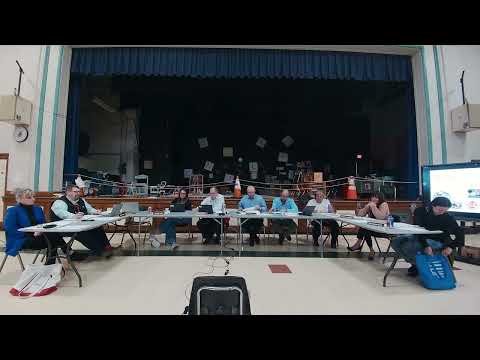
The Germantown Central School District Board of Education on Tuesday reviewed a slate of staffing reductions, program consolidations and revenue proposals aimed at closing about a $1.0 million operating shortfall for the coming school year.
Presenter Ryan Smith told the board that the district’s budget gap had been about $1.1 million and that a recent line‑by‑line review produced roughly $141,000 in savings so far. "Our budget gap was $1.1 million. We did some scrubbing. We got it down to pretty much a million dollar gap," Ryan Smith said during the presentation.
Why it matters: trustees were given a set of mutually exclusive options to consider before a recommended vote in April. The board must decide a package of changes by the April 22 deadline so that administration can finalize a budget and present formal recommendations at the April 1 meeting and then again in time for the vote.
What administration proposed: staff outlined two chief administrative scenarios and several program and staffing adjustments that would reduce expenditures while attempting to protect student services.
- Administrative scenarios: one scenario would consolidate leadership into a PK–12 principal supported by an assistant principal; an alternative would retain separate elementary and secondary principals but eliminate the director of special education and redistribute duties to the school psychologist and principals (with stipends and secretarial coverage to preserve compliance). Administration said the two scenarios are financially similar but carry different operational and compliance risks.
- Special education and ICT: the board reviewed classroom‑level impacts of proposed reductions to special‑education staffing and teacher aides. Administration emphasized the district’s integrated co‑teaching (ICT) model—particularly in grades K–3—has produced gains and warned attrition or fewer dedicated specialists could reduce fidelity. "Do I believe that we could continue to deliver that with the same efficacy? I do not," a presenter said when describing the possible loss of a dedicated computer/technology teacher and related supports.
- Teacher aides and TAs: several positions assigned to IEPs were identified as no longer required next year; administrators proposed redistributing some aides and converting some TA positions into aide roles where feasible. Board members asked administration to be cautious about removing staff who cover recess, specials and personal‑care duties.
- Facilities and maintenance: administration proposed filling a posted maintenance mechanic role and using contracted expertise from a neighboring director of facilities to tighten preventive maintenance protocols for a century‑old building. That plan partly responds to concerns about athletic fields and custodial capacity.
Revenue and program initiatives: to offset the gap, staff proposed four near‑term initiatives for additional revenues and reimbursements: "breakfast after the bell" to capture federal breakfast reimbursements, partnering with local summer programs to operate an open‑site summer food program, an after‑school snack program structured for reimbursement eligibility, and adding vending‑machine revenue.
Other operational options: trustees discussed longer‑term and structural options including expanding shared programming with other districts, trimming out‑of‑district BOCES enrollments to preserve in‑district course offerings, distance‑learning course expansion (which carries startup costs), strengthening banding/bonding plans for capital projects and examining transportation costs and fleet options.
Fiscal context and reserves: administrators reported a projected expense line of about $18.9 million versus projected revenue near $17.9 million. They told the board the district’s audited fund balance totaled about $5.5 million, with roughly $2.0 million unassigned and available to cushion a deficit. Staff said the combined set of proposed reductions and revenue ideas could plausibly reduce the gap to an estimated $300,000–$500,000 but would not eliminate it by itself.
Board process and next steps: trustees were asked to review the materials, submit follow‑up questions by e‑mail and arrive at the April 1 meeting prepared to show preferences; administration will run live budget scenarios at the next meeting to demonstrate financial impacts. The board will finalize its recommended package before the April 22 deadline for budget adoption.
What remains unresolved: no formal votes were taken on the staffing scenarios tonight; most items remain proposals to be weighed alongside the line‑by‑line worksheets. Administration committed to provide five‑year budget projections and a clearer tax‑levy impact analysis at the April meeting.
The session closed with public comments, including a resignation announcement from a long‑serving board member and community appreciation for school staff. The board adjourned after routine closing motions.