Get Full Government Meeting Transcripts, Videos, & Alerts Forever!
Get email alerts on the K12 Budget topic
No spam. Unsubscribe anytime.
Fredonia school treasurer previews 2026–27 budget, warns of rising benefit and special-education costs
Summary
Treasurer John Forbes presented an initial 2026–27 budget showing modest salary growth but larger increases from health-insurance and special-education placements; the district plans further revisions before the May budget hearing and May 19 vote.
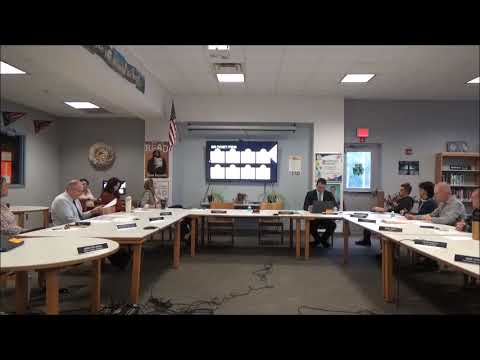
John Forbes, the district treasurer, delivered an initial presentation of the Fredonia Central School District’s 2026–27 budget, saying the draft reflects modest salary growth but sharper increases in benefits, special education and contracted transportation.
Forbes told the board that salaries are up about 4.2% — roughly $19 million in total — but pointed to a projected 16% rise in medical-insurance costs driven by the county self-funded trust and a projected increase in the state employees’ retirement rate. "Don't be necessarily scared when you see large percentage increases because it'll depend on the area and the amount of dollars," Forbes said, urging the board to judge line items by dollar impact as well as percent change.
The treasurer identified several remaining unknowns that will affect the final budget: final equalization and assessment rates, final state-aid figures expected April 1, the debt-service schedule tied to Project 2025, and staffing changes tied to retirements. He said the draft includes placeholders for maintenance vehicle replacement, higher contractual costs for building maintenance and increased contract-transportation costs with providers such as First Student and Western New York Bus Company.
Special education and career-technical education were singled out as rising-cost areas. Forbes said special-education costs are projected up about $685,000, with roughly $200,000 tied to a placement in Bloom and Jamestown. Occupational-education expenses were projected to rise by roughly $294,000, reflecting an estimated increase of 10 students participating in those programs.
On the revenue side, Forbes described a projected 4% increase in foundation aid (about $660,000) and reiterated that the district relies primarily on the tax levy and state aid. He reviewed the district’s tax-levy limit calculation and said the board’s levy limit for the coming year is about 2.44% — permitting roughly $426,000 in levy growth without seeking a higher voter threshold.
Forbes outlined next steps and dates: a revised budget presentation March 24, possible further meetings after spring break (April 14), a final number to be set by April 21, the budget hearing May 5 and the budget vote and board election May 19. He said he would return with more detailed line-item breakdowns, including vehicle-condition reports and refined contract estimates.
Board members pressed for clarification on how prior decisions to limit levy increases compound over time; Forbes explained the cap calculation includes debt service, the state growth factor, inflation components and exclusions for retirement-system cost changes. He also described the timing of state reimbursement for capital debt — aid is paid on spending and therefore can lag the district’s outlay.
The board did not take action on the budget at the March 10 meeting. Forbes said staff will update figures and present a revised draft at the March 24 meeting ahead of statutory deadlines.