Get Full Government Meeting Transcripts, Videos, & Alerts Forever!
Get email alerts on the School Calendar topic
No spam. Unsubscribe anytime.
Philipsburg board approves 2026–27 calendar after debate over four‑day week and student achievement
Summary
Philipsburg K‑12 Schools trustees approved the district's 2026–27 calendar by voice vote after public testimony and a lengthy board discussion about the merits of the four‑day school week, student achievement, staffing pressures and plans to pursue targeted interventions.
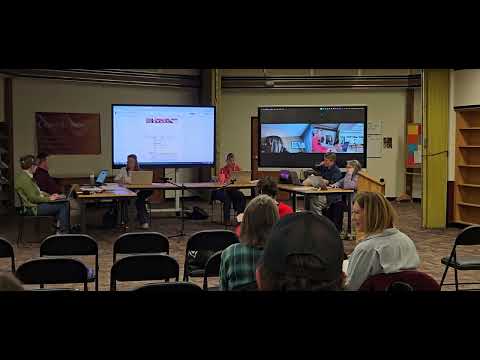
The Philipsburg K‑12 Schools Board of Trustees voted to approve the district's 2026–27 school calendar following extended public comment and a robust board discussion over the four‑day school week and elementary achievement.
Supporters of the four‑day week, including several board members and staff, said the schedule helps recruit and retain teachers in a tight labor market and allows students time for work and extracurriculars. Opponents and some parents urged the district to prioritize instructional time and present concrete plans to raise elementary test scores within the four‑day model.
Catherine, the district fiscal lead, told the board the district’s preliminary budget numbers were modestly higher than last year: “We just received our preliminary budget. We're receiving about $8,000 more than we did for this year,” she said, noting the figures remain subject to change in the official budget process. The board also heard that current district enrollment is small—roughly 150 pupils total—making score percentages volatile and resource allocation challenging.
A number of public commenters urged concrete actions. One parent asked for calendar alignment with federal holidays and questioned capital spending priorities given teacher‑pay pressures: “If we're taking a Friday off, why can't we take Veterans Day off?” said Ryan Watkins, who noted concerns about housing costs and teacher retention. Teachers described classroom‑level interventions such as morning reading blocks and study guides, and presented progress data from individual classes. “I do two separate interventions in the morning. That's the first thing they do is reading intervention,” said teacher Caitlyn “Miss Wley” Walkley, summarizing a common classroom practice.
Superintendent Mr. Gates defended the district’s approach to instructional hours and the four‑day model, saying the schedule helped reduce the surplus hours that previously made snow days easier to take and that increasing instruction hours would trigger collective‑bargaining adjustments tied to pay. “So, if anything, it helped get people to come and instruction to continue,” he said.
Board members asked administrators and teachers to bring back an actionable plan showing how the district will raise elementary proficiency within the four‑day schedule. Trustees also encouraged community participation in standing committees that will flesh out the district’s strategic plan, including an instructional committee led by Trustee Jen.
The board called for a voice vote after public comment; the motion carried with all present voting in favor. The board scheduled committee and planning meetings to continue work on instructional priorities and strategic initiatives.
Next steps: administration will finalize budget figures in the coming months, staff and committee leaders will present action plans on instructional interventions, and the board will continue quarterly strategic‑planning reviews.