Get Full Government Meeting Transcripts, Videos, & Alerts Forever!
Get email alerts on the Child Care topic
No spam. Unsubscribe anytime.
Presenter pledges to prioritize affordable child care if elected; questioner says states should pay
Summary
In a short forum exchange, a presenter pledged to prioritize legislation to make child care more affordable if elected but did not name a specific bill; a questioner argued that day care funding should be handled and paid for by states rather than the federal government.
When asked whether they would prioritize legislation to make child care affordable if elected in November, an unnamed presenter said they would.
"Well, I would do that. Child care is child care. It's couldn't, you know, it's something you have to have it. In this country, you have to have it. We're going to make this into an incredible country that can afford to take care of its people, and then we'll worry about the rest of the world. Let's help other people. But we're going to take care of our country first. This is about America first," the presenter said. The presenter did not identify any specific bill or legislative vehicle in response to the follow-up request for a named proposal.
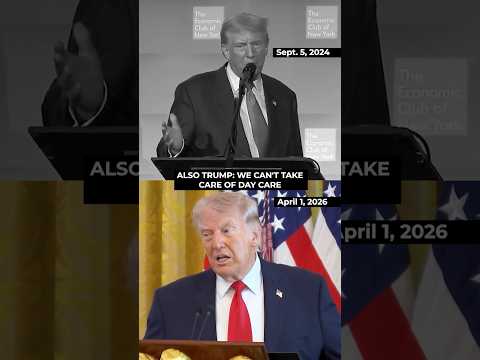
A second speaker pushed back, arguing the federal government should not be expected to pay for day care across the entire country. "We can't take care of daycare. We're a big country. We have 50 states... You got to let a state take care of daycare, and they should pay for it, too," the questioner said, adding that states should raise taxes to cover such costs and that federal priorities should include military protection.
The exchange highlights a policy disagreement over whether expanding affordable child care is a federal or state responsibility. The presenter framed child care as an essential service and tied the pledge to a broader "America first" approach; the questioner framed funding as primarily a state obligation and emphasized limits on federal capacity. The brief exchange did not include a description of a specific legislative proposal or next procedural steps.
No formal action or vote was recorded in the transcript.