Get Full Government Meeting Transcripts, Videos, & Alerts Forever!
Get email alerts on the Budget topic
No spam. Unsubscribe anytime.
Warren Township School District projects 8.48% tax-levy increase as health-care costs surge
Summary
The Warren Township School District presented a tentative 2026–27 budget that would raise the tax levy by 8.48%, largely driven by a projected 33% increase in employee health-care costs. The board approved the preliminary budget for county review and scheduled a public forum April 20 and a hearing and adoption on April 27.
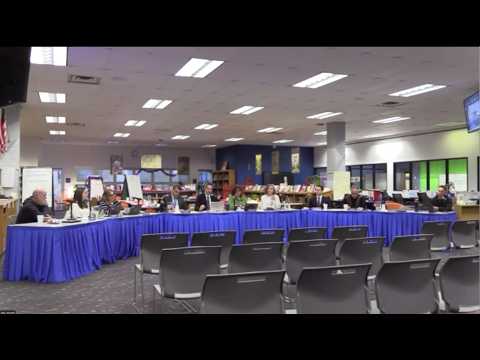
At its March 23 meeting, the Warren Township Board of Education reviewed a tentative 2026–27 budget that the administration says will require an 8.48% increase in the district tax levy unless further changes are made.
Chris Hegel, the district’s school business administrator, told the board the primary driver this year is employee health-care costs. “Because of that, this one line item is increasing by over $3 million this year alone, which is a 33.6% increase,” Hegel said during his presentation of the expenditure and revenue summaries.
The proposal presented to the board includes a 5.49% health-care adjustment plus a 2.99% increase for other spending (salaries, transportation, special education and enrollment-driven costs), yielding the 8.48% levy increase. Hegel said the district’s health-care budget has risen from about $5.5 million to a proposed $12 million over five years — an increase he described as roughly 120% since adjustments made under Chapter 44.
To reduce taxpayer impact, the administration proposed several offsetting actions: a planned elimination of six teaching positions through attrition (which Hegel estimated returns about $660,000 to the budget), continued flat budgeting by department managers, and targeted operational savings such as vendor consolidation and changes to copier and phone contracts.
Hegel outlined the district’s revenue options: projected enrollment and inflation adjustments, a health-care adjustment, and use of banked cap and prior-year surplus and reserves. Using current assessment data, the presentation projected the average Warren Township homeowner’s school tax bill would rise about $487 next year; the administration said residential taxpayers could expect an average increase of about 6.25% after accounting for higher commercial assessments.
Board members pressed the administration on steps taken to find alternatives to the state health plan. Hegel said the district’s health-care consultant assembled its claims history and “we shopped it to eight different groups and because of our claims experience, each of those groups declined to ensure us,” leaving the state plan as the practical option.
Superintendent Dr. Mingle thanked the business office and finance committee for the work to limit the budget’s impact on taxpayers. “We’ve been forecasting now for about six months that we expected a challenging budget year because of healthcare costs,” Dr. Mingle said, and urged public participation at upcoming budget events.
Next steps: the board approved the preliminary budget tonight for review by the county office of education. The finance committee will hold a public budget forum April 20 at 4:30 p.m. in the middle school, and the public budget hearing and anticipated budget adoption are scheduled for April 27.
What remains unresolved: the administration’s ability to reduce health-care cost growth is limited by insurers’ responses and the district’s claims history; any material change to the health-care cost projections or to state aid could alter the levy shown in the preliminary budget.