Get Full Government Meeting Transcripts, Videos, & Alerts Forever!
Get email alerts on the County Budget topic
No spam. Unsubscribe anytime.
Leavenworth County begins budget review as department leaders request raises, staff and technology investments
Summary
County department heads presented budget requests in the first round of May reviews: the county attorney asked for a 2% pay increase and highlighted prosecution and opioid-related caseloads; the treasurer warned a state fee change will shift about $300,000 in motor-vehicle revenue; the register of deeds sought another staff position and funding for AI indexing and equipment.
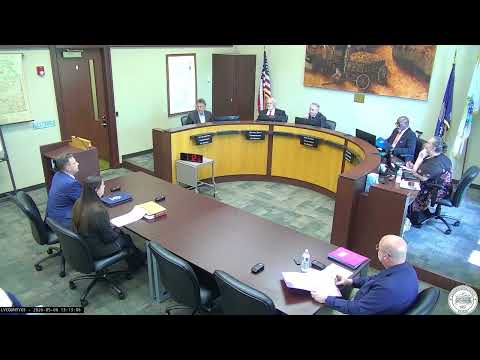
Leavenworth County commissioners began the first of several weekly budget-review sessions, hearing presentations from department heads about proposed raises, staffing needs and technology investments that officials said are aimed at maintaining core services as workloads rise.
The county attorney, introduced to the board to present his office’s budget, told commissioners his office submitted a proposal that includes a 2% across‑the‑board salary increase. “There’s really, nothing that we’re asking for besides the 2% raises,” the county attorney said, adding his office can absorb recent increases in costs tied to appeals handled by the attorney general’s office. He reported the office handles roughly 29 appeals annually and described increasing fentanyl and overdose prosecutions and a recent suffocation death trial as reasons the office needs continued training and staffing stability.
The attorney and commissioners discussed broader public‑safety trends. The county attorney said overdose cases and drug‑related prosecutions remain the dominant portion of caseloads and that recent months show an uptick in firearm‑related deaths among younger adults. He urged preventive investments in youth education and treatment, saying those choices could reduce long‑term prosecution burdens.
The county treasurer briefed the board on a state change taking effect July 1 that will remove a $5 facility fee the county previously collected at the motor‑vehicle office, a change she estimated would reduce local revenue by roughly $300,000. She said the new state arrangement allows the treasurer to add up to a $5 fee to other transactions and authorizes the board to approve an additional $5; she estimated that shifting and reallocating fees could generate about $475,000 in new receipts if fully implemented and approved. The chair clarified the motor‑vehicle fund is a report fund and that the treasurer may set fees within the statutory limit; commissioners will consider whether to approve any additional fee that requires board action.
The register of deeds described rapid growth in recorded documents and pressing technology and staffing needs. The register said daily recordings rose from an average of about 60 documents to more than 100 recently and asked for one additional full‑time position to meet constitutional duties and rising FOIA and fraud‑prevention workloads. She outlined plans to adopt AI back‑indexing to interpret older handwritten records and to upgrade failing plotter and stamp equipment, saying those investments would speed record searches and reduce manual labor. “I have to have another person,” the register said, stressing that digital tools alone would not eliminate the need for staff to manage records and quality control.
Planning and zoning staff told commissioners the department is managing current workloads with six employees but flagged a likely need for modular updates to the comprehensive plan should major economic development occur in the next two to three years; commissioners discussed consultant‑led update costs ranging from roughly $200,000 to $350,000 for a full rewrite. The planning director also noted that stronger code‑inspection programs would require hiring inspectors and restructuring fee schedules so inspection services could be at least partly fee‑funded.
The county appraiser reviewed a draft budget projecting a modest overall decline tied to lower personal‑property valuations; the office proposed a 2% personnel increase while planning to reduce one position because of falling workload in personal property processing.
No formal votes were taken during the session. The chair said he would solicit board direction after the first round of departmental presentations and expected to return to commissioners in early June with salary‑policy scenarios and follow‑up items. Additional departmental review meetings will continue in the coming weeks.
Commissioners scheduled further budget sessions; no final appropriations or wage decisions were made during this first round.