Get Full Government Meeting Transcripts, Videos, & Alerts Forever!
Get email alerts on the Algebra topic
No spam. Unsubscribe anytime.
Breakthrough Success Communities and co‑teaching credited with algebra gains at Stephens and Jordan
Summary
School teams from Stephens Middle and Jordan High told the board that targeted ninth‑grade supports (Breakthrough Success Communities), co‑teaching, Catch Up Days, and aligned equitable grading helped raise algebra outcomes, with Stephens reporting 91% meeting/exceeding on a common assessment and Jordan showing improved A/B/C rates.
Two school teams told the board how a mix of targeted interventions, collaborative planning and instructional alignment produced notable algebra results.
Mr. Samuels introduced representatives from Jordan High and Stephens Middle, saying district visits found standout results: Stephens middle‑school algebra reported 91% of students met or exceeded the first quarter common assessment and high rates among Black/African American students; Jordan High reported increases in A/B/C rates, including a 9‑percentage‑point increase and a reported 36% rise for African American students in one comparison.
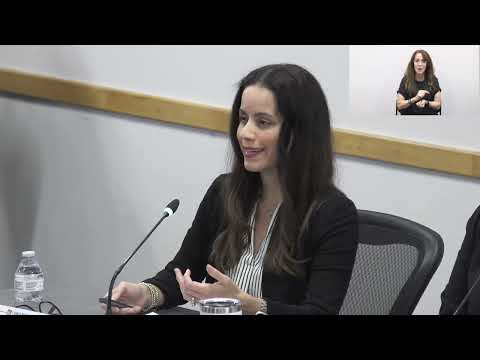
At Stephens, algebra teacher Isabella Domingo described practices the Breakthrough Success Community (BTSC) uses: '2x10' one‑to‑one student conferences with a small caseload, organized Catch Up Days (no new instruction; time for students to complete missing work), and a growing co‑teaching model that pairs general education and special education teachers in the same classroom. "We pick about two to three kids to really, really hone in on... we have those personal conversations," Domingo said.
Stephens staff described professional development (QCI trainings, building‑thinking‑classrooms techniques), internal walkthroughs with focused look‑fors, department‑level alignment on common assessments and equitable grading weights, and regular data protocols that let teachers and department heads track subgroup outcomes and pivot interventions.
Jordan High described its Breakthrough Success Community pathway monitoring, targeted supports for identified students, and African American student listening sessions that helped shape interventions. School leaders said they tracked credits, GPA and provided APEX make‑up sessions and study‑skills lessons for students who became off‑track.
Special education and inclusion staff said co‑teaching has increased belonging and produced measurable growth for students with IEPs, allowing teachers to monitor growth goals in addition to absolute achievement. "You can't point out who these kids are, which has done a lot for their belonging at our school," one Stephens teacher said.
The board heard the group’s practices as concrete examples of combining quantitative monitoring (Power BI dashboards, quarterly assessments) with qualitative site work (walkthroughs, coaching cycles) to support Goal 3 monitoring later in the day. The board did not take action; presenters emphasized these are site‑level strategies district leaders are promoting for spread where appropriate.