Get Full Government Meeting Transcripts, Videos, & Alerts Forever!
Get email alerts on the Civic Process topic
No spam. Unsubscribe anytime.
Residents urge reinstatement of broader public‑comment opportunity and call for better snow/sidewalk and hydrant clearance
Summary
During both public‑comment periods at the Feb. 24 Bernards Township meeting, residents urged the committee to restore a previously available second comment opportunity for follow‑ups and raised concerns about snow removal, buried fire hydrants and gaps in records‑bureau coverage during off‑hours.
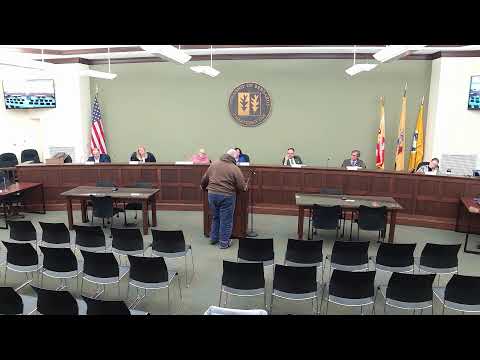
Two residents used public comment to press the township on procedural and service issues. At the first public‑comment period, Mr. Alstein objected to a committee change limiting a second public comment opportunity to pending agenda matters; he said the prior practice of allowing follow‑ups gave residents fuller engagement and urged the committee to restore that practice.
At the second public comment, Todd (a resident) urged neighbors to clear fire hydrants and sidewalks after the recent heavy snow, calling hydrant clearing a civic responsibility and noting that buried hydrants can delay firefighting access. He also urged the township to consider expanded records‑bureau coverage (for example, a part‑time weekday/weekend presence) to handle in‑person inquiries and ensure there are no service gaps when emergency or time‑sensitive needs arise.
Mayor Dwarte McCarthy thanked residents who cleared hydrants, said the committee would continue to review the second public comment procedure, and acknowledged the point about records coverage and service continuity. The committee did not adopt an immediate procedural change at the Feb. 24 meeting; the remarks were recorded for future consideration.
The issues raised combine procedural engagement (public‑comment timing and access) and municipal service maintenance (snow/sidewalk clearing and hydrant visibility); both can be addressed by staff reports and potential ordinance or policy options at a future meeting.