Get Full Government Meeting Transcripts, Videos, & Alerts Forever!
Get email alerts on the Urban Forestry topic
No spam. Unsubscribe anytime.
Roswell spotlights urban tree canopy, urges residents to plant native species
Summary
On the Inside Roswell Earth Month episode, Mayor Mary Robisho and city arborist Laura Datisman discussed Roswell's Tree City USA recognition, the city's tree-bank replanting requirement for development, and simple steps residents can take to protect and grow the urban canopy.
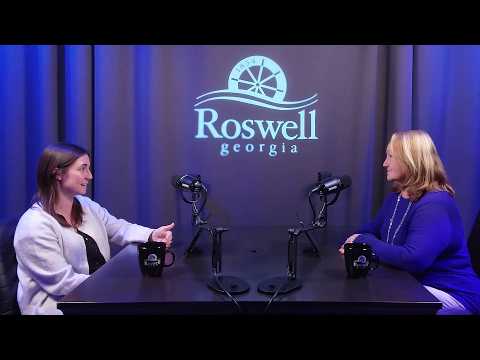
Mayor Mary Robisho spoke with Laura Datisman, the City of Roswell's certified arborist, on the Inside Roswell podcast as part of the city's Earth Month series about protecting and expanding Roswell's tree canopy.
Datisman said her role is "managing and protecting Roswell's urban forest. I focus on tree health, public safety, and long-term planning." She described a mix of field assessments, contractor oversight and review of development projects to ensure preserved trees are protected and the right trees are planted in the right places.
The interview emphasized Roswell's Tree City USA recognition. Datisman said the designation requires a municipal tree board or department, a tree ordinance, dedicated investment in tree care and Arbor Day activities, and that it signals a long-term commitment to active management rather than passive maintenance.
Datisman highlighted ecological and community benefits of trees: they provide shade, reduce energy costs, stabilize soils, slow stormwater runoff and support wildlife. "Birds feed on the acorns of oak trees," she said as an example of how native species support local ecosystems. She added that trees can also enhance property values, stating that trees "have been found to add up to 15% to residential property values," a figure she presented as an estimate rather than a city-produced study.
On removal decisions, Datisman described a structured assessment used before city staff recommend removal: inspectors look at canopy leaf coverage, dead branches, structural cracks, trunk decay and root instability. She gave an example of a large sweet gum tree that appeared healthy externally but had internal rot and was declared a hazard because it could fall on a house.
When trees are removed, Datisman said the city often turns material into wood chips for mulch and sometimes repurposes lumber. To offset canopy loss from development, Roswell operates a tree bank: developers are required to replant trees or contribute funds to the tree bank, and those dollars are used to plant and maintain trees elsewhere in the city.
Datisman offered concrete ways residents can help: plant native species appropriate to the site; consider mature tree size so future conflicts with power lines or structures are avoided; protect roots during construction; and water young trees while they establish. She invited residents to contact the arborist for species recommendations and cited other local resources including the county cooperative extension, the Georgia Native Plant Society, the Georgia Arborist Association and the Urban Forestry Commission.
Robisho closed by thanking Datisman and reminding listeners that the Inside Roswell Earth Month series will continue next week.
The episode focused on education and practical steps rather than new policy decisions; no votes or formal actions were taken on the program.