Get Full Government Meeting Transcripts, Videos, & Alerts Forever!
Get email alerts on the Governance And Oversight topic
No spam. Unsubscribe anytime.
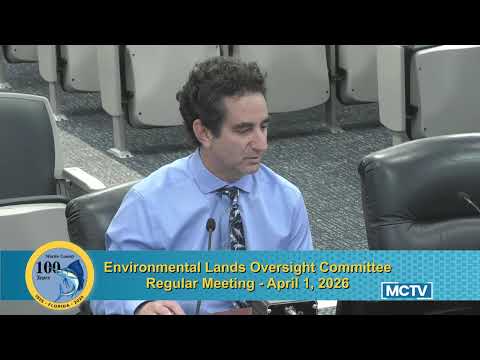
Committee cautions, but cannot block, municipal uses of surtax funds; legal counsel outlines limits
Summary
Committee members raised concerns that municipalities may spend their allocated surtax shares on projects outside the referendum’s intent. County counsel said the ordinance constrains county spending but municipalities receive state‑distributed shares and the committee lacks enforcement authority; members were urged to monitor and pursue legislative remedies if desired.
At the April 1 meeting members of the Martin County Environmental Lands Oversight Committee expressed alarm that municipalities might use their portion of surtax receipts for projects some committee members view as inconsistent with voters’ expectations.
Several members argued the county‑wide referendum created “guard rails” for how funds would be used and warned that municipal spending on projects perceived as outside those guard rails could undermine future renewals and state matching opportunities. One member said the group had a duty to “watch that” and suggested the committee should be more vocal if municipalities stray from the referendum’s spirit.
Sebastian Fox, senior assistant county attorney, advised the committee on the legal limits: the ordinance and referendum establish county requirements for the use of surtax funds but, under state distribution rules (cited in the meeting as section 212.055), municipalities receive a population‑based share and are not under the committee’s jurisdiction. Fox said the county can require certain procedures for county expenditures, and the county seeks to negotiate protective co‑grantee easement language when working with state programs, but the committee does not have enforcement authority over municipal decisions about their state‑distributed share.
The committee’s practical result was agreement to monitor municipal uses and to encourage members individually to advocate for legislative change if they wish to restrict municipal uses in statute. Multiple members urged direct outreach to city commissions and to state legislators as the appropriate path to change the way municipality shares are governed.
The discussion closed with an acknowledgement that county staff and legal counsel will continue to track municipal uses and report back; the committee itself will not formally intervene in municipal spending decisions but recommended vigilance and individual civic advocacy.