Get Full Government Meeting Transcripts, Videos, & Alerts Forever!
Get email alerts on the Infrastructure Main Street topic
No spam. Unsubscribe anytime.
Mooresville Redevelopment Commission approves Main Street change order; $51,528 charged to owner contingency
Summary
The Mooresville Redevelopment Commission approved a change order for the Main Street construction project to address post‑bid utility and construction adjustments. The commission agreed the $51,527.96 cost will be deducted from the project's owner contingency.
The Mooresville Redevelopment Commission on April 2 approved a change order for the downtown Main Street construction project to address utility and site issues discovered after bidding.
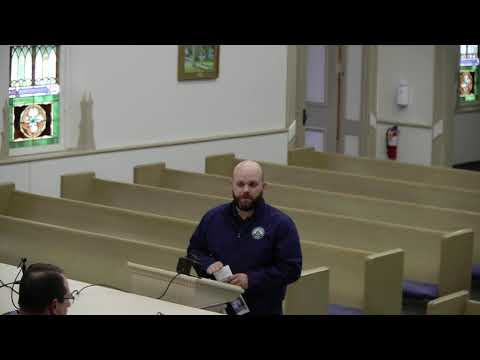
Chelsea, a town staff presenter, told commissioners the change order covers a series of items identified during preconstruction and early work, including a downspout connection, a revised storm structure, a revised seed mix, an electrical connection to an enclosure in the east Main parking lot, removal of one camera at 24 West Main, a new no‑left‑turn sign, revised maintenance‑of‑traffic phasing, an extra trash receptacle and an additional light fixture and pole, plus two spare bollards for rapid replacement.
"A lot of it was actually things that we kind of realized post bid preconstruction," Chelsea said, describing unexpected utility locations and access challenges. She said the contract included an owner's contingency and that the additional cost for the listed items is $51,527.96, which will be deducted from that contingency.
The presenter also asked drivers to take care around Washington and Harrison streets, where traffic and altered patterns have increased safety risks for pedestrians and construction workers.
Commissioners voted by voice to approve the change order. The presenter noted the project team — including Banning (engineering) and on‑site construction staff — will track time and materials closely so work that must be covered outside the fixed contract will come from contingency rather than increasing the contract maximum.
Why it matters: the change order addresses immediate field conflicts that, if unaddressed, could cause delays or safety problems. Using contingency funds avoids raising the contract ceiling, but reduces the remaining contingency available for future unforeseen issues.
The commission did not provide a definitive revised total contract figure in the meeting transcript; members and staff emphasized they are monitoring time‑and‑materials work to ensure the project remains within the commission's previously approved budget envelope. The commission moved on to other agenda items after the vote.