Get Full Government Meeting Transcripts, Videos, & Alerts Forever!
Get email alerts on the City Budget topic
No spam. Unsubscribe anytime.
City Council says it can close roughly $6 billion gap without tax hikes, cuts or rainy-day withdrawals
Summary
The New York City Council released its official response to the mayor's preliminary budget, saying it identified about $6 billion in additional resources through savings, re-estimates and revenue adjustments while protecting services and resisting use of the rainy day fund or property-tax increases.
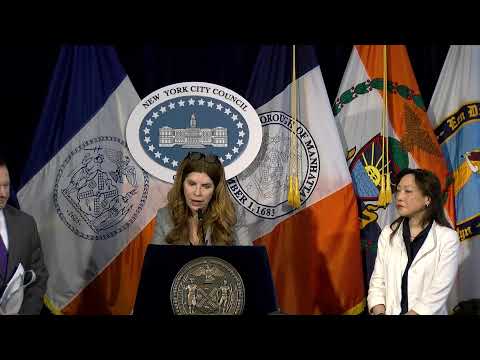
The New York City Council on Monday unveiled its official response to the mayor's preliminary budget, saying it has identified roughly $6 billion in additional resources across two fiscal years and plans to close the shortfall without raising property taxes, cutting critical services, or drawing down the city's rainy day fund. "We've identified approximately $6 billion in additional resources across two fiscal years," Speaker Johnson said, framing the response as a negotiation starting point with the administration.
The plan, the Speaker said, relies on a mix of "savings, efficiencies, and more accurate revenue and cost assumptions." Council leaders highlighted vacancy accruals and timing re-estimates as a major source of near-term savings, saying about $860 million reflects positions that were budgeted but not yet filled. "We're not calling for the elimination of any of the vacancies," the Speaker said, describing that $860 million as unspent money to date that should be recognized and eventually used to fill positions.
Council officials also cited other concrete items in their calculations: an additional $80 million in Department of Buildings construction-permit and late-fee re-estimates; about $42 million in annual rental revenue tied to the Port Authority; and a potential $175 million over two years from competitively rebidding Department of Education contracts and auditing nonessential agreements.
On procurement, the Speaker urged more oversight of DOE contracting, saying the department spends roughly $12 billion on outside contracts and that DOE had not audited its consulting contracts. She also noted that the city pays an auditing firm, Ernst & Young, about $17 million a year for auditing work and questioned whether that contract included audits of outside consulting agreements.
The Council emphasized priorities it intends to protect or expand during negotiations, including expanding Fair Fares to make transit free for households earning up to at least 150% of the federal poverty level, growing the NYC Kids Rise universal college-savings program for public school kindergartners, and seeking wage increases for paraprofessionals and investments in post-secondary and trade education.
On taxes and the rainy day fund, the Council said it opposes increasing the property tax and opposes drawing down the rainy day fund because doing so could raise the city's borrowing costs over time. The Speaker described the Council's approach as "disciplined" and said it is pressing Albany to consider all options as the state budget process proceeds.
The Council said it will publish a full list of the savings and re-estimates behind the response and that staff will provide press offices the detailed spreadsheet after the briefing. The Speaker said negotiations with the administration and state leaders remain ongoing and that the Council will press to restore and protect the programs it listed as priorities.
The press conference ended after a question-and-answer session in which reporters probed the timing of savings, the feasibility of settlements on Fair Fares litigation, and the Council's view of possible state actions.