Get Full Government Meeting Transcripts, Videos, & Alerts Forever!
Get email alerts on the Finance Overexpenditure topic
No spam. Unsubscribe anytime.
Timberlane seeks state authorization to spend extra revenue amid budget shortfall
Summary
Facing an ‘unusual circumstance’ after voter reductions, the Timberlane board authorized Superintendent Justin to apply to the New Hampshire Department of Education for permission to spend additional revenue lines to cover projected overexpenditures—mainly special‑education costs and the timing of lease payments.
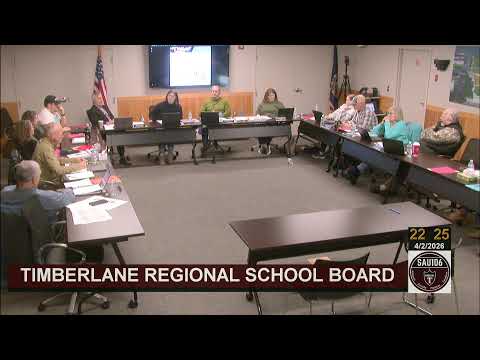
The Timberlane Regional School District board voted April 2 to ask the New Hampshire Commissioner of Education for an authorization under RSA 32:11 that would permit the district to overexpend certain appropriation lines during fiscal 2026.
Superintendent Justin said the petition is needed after the district saw substantial reductions at deliberative action, which—combined with other prior reductions—left the district operating with significantly less cushion than in prior years. The application frames the circumstance as unusual and cites projected overexpenditures in special‑education costs (out‑of‑district tuition, transportation and contracted services) and timing issues tied to lease payments.
Administration said the request is not new revenue but the formal mechanism needed to spend revenue that has already been received and that the district otherwise lacks authority to appropriate past the voter‑approved amounts. The board and administration discussed cash‑flow timing, end‑of‑year encumbrances (stipends, payroll cycles and loan/lease payments) and reporting if the authorization is used. The superintendent committed to providing regular cash‑flow updates to the board and to restricting any use to the lines described in the application.
The budget committee had previously reviewed and approved the application; the board voted to authorize the superintendent to submit the documentation to the department. Board members asked for ongoing transparency: administration agreed to provide periodic cash‑flow reports and to present details about any funds expended under the authorization if the commissioner approves the request.