Get Full Government Meeting Transcripts, Videos, & Alerts Forever!
Get email alerts on the Judiciary Committee Claims topic
No spam. Unsubscribe anytime.
Judiciary Committee weighs dozens of petitions seeking permission to sue the state; claims commissioner asks to handle small claims
Summary
At a March 16, 2026 public hearing, the Judiciary Committee heard the claims commissioner's request to let his office decide smaller claims and reviewed multiple petitions asking the legislature to overturn denials by the commissioner. Lawmakers also heard testimony on pardons fee waivers and a debate over recreational‑land immunity.
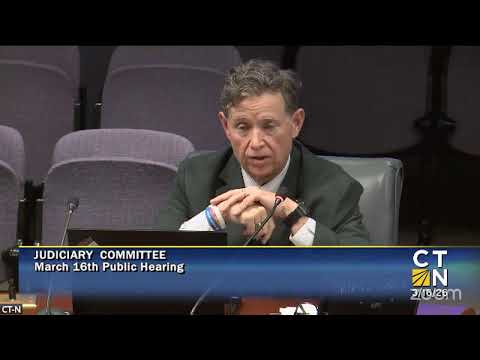
The Judiciary Committee met March 16 to hear a long docket of petitions from people seeking permission to sue the state and to consider several bills affecting state liability and civil remedies.
Claims commissioner Robert Shay opened the hearing and defended House Bill 5535, which would allow his office to retain and decide smaller claims (claims the office already opens where claimants ask for monetary awards below roughly $15,000). Shay told lawmakers the office issued about 550 decisions in 2025 and said giving commissioners authority over small claims would speed outcomes for mostly pro se litigants often told to go to Superior Court. Committee members welcomed the goal of faster decisions but asked what structural safeguards would prevent a future backlog and what appeal paths claimants would have.
The committee then heard from more than two dozen petitioners and lawyers asking the legislature to reverse claims-commissioner rulings. Witnesses described a range of harms and requests: denied medical care in custody; alleged misconduct by child‑welfare and police officials; claims over property maintenance and injuries on state property; and assertions that press releases from the attorney general harmed private providers. Attorney Peter Sterling pressed the panel about the death of an infant who had been in state custody and asked lawmakers to reject the commissioner's denial in that case. Joanne Connelly asked the committee to grant her permission to sue after child‑welfare and animal‑seizure actions she described as unconstitutional. Several petitioners said they were denied on procedural grounds such as filing deadlines, and urged lawmakers to remand claims for fuller factual review.
Advocates for people with criminal records urged the committee to approve SB 343, which would waive fees for criminal‑history searches and related convenience charges for prospective pardon applicants. Witnesses from Connecticut Voices for Children and legal‑aid programs said modest fees — for some applicants $30–$75 — can block low‑income people from starting the pardon process and from pursuing jobs and licensing that require a cleared record.
Committee members closed the hearing with a contentious policy discussion about whether to extend Connecticut's recreational‑land‑use immunity to the state. Trial lawyers and family advocates opposed adding the state, saying the state already operates parks and should remain accountable for maintained infrastructure (docks, boardwalks, posted hazards). The attorney general's office and some committee members noted the statute's exceptions (for admissions fees, willful misconduct and similar narrow cases) and the state's long practice defending claims through the claims commissioner. Lawmakers also heard testimony on cooperative and condominium governance bills and several technical probate revisions.
The committee did not vote at the hearing. Many petitioners asked the legislature to overturn specific commissioner rulings; staff said the committee will consider the petitions and bills in upcoming work sessions and sent several items to staff for technical fixes. The decisions on individual petitions — whether to authorize suits in Superior Court or to remand to the claims commissioner for additional factfinding — remain pending.
What to watch next: the committee must still act on individual petition resolutions (to vacate or confirm commissioner rulings) and on bills including HB 5535 (claims commissioner authority), SB 343 (pardon‑fee waivers), and HB 5430 (recreational land use immunity).