Get Full Government Meeting Transcripts, Videos, & Alerts Forever!
Get email alerts on the Water Systems topic
No spam. Unsubscribe anytime.
Rathdrum staff outlines water‑pressure monitoring plan; council delays moratorium while collecting more data
Summary
After a detailed staff briefing on water‑system monitoring, master planning and targeted pressure tests, Rathdrum council agreed there is insufficient evidence to declare an emergency moratorium citywide and voted to table any imminent‑peril findings until the second meeting in July to allow more monitoring and master‑plan modeling.
Rathdrum city staff presented an extended briefing on efforts to investigate resident complaints about low water pressure and the actions the city is taking to find, quantify and — if necessary — fix any distribution issues.
What staff presented: Public works and utility staff described the city’s multi‑pronged program. Items under way include a contracted water master plan by JUB Engineers (contracted March 2025, study due September 2026), a SCADA upgrade to capture higher‑resolution operational data, placement of continuous pressure recorders in neighborhoods of concern, targeted leak detection, meter accuracy checks, and prioritized hydraulic “looping” projects (the Lancaster Road water‑main extension approved the same night was cited as one example of a gap‑filling project to reduce dead‑end piping). Staff also described coordination with the fire department on hydrant tests and a plan to survey residents for consistent, time‑stamped reports of pressure events.
What the tests showed so far: Staff reported recent, limited monitoring in several neighborhoods. In a 72‑hour test in one area staff observed two to three minutes that dipped below 40 PSI; other recorders showed routine pressure cycling tied to reservoir/well lead‑lag operation. Engineers described the observed drops as local or transient and stressed that the data set is currently too limited to reach a citywide conclusion. City staff emphasized the difference between having raw "supply" (water rights and well yield) and having distribution capacity and looping sufficient to deliver consistent pressure across all zones.
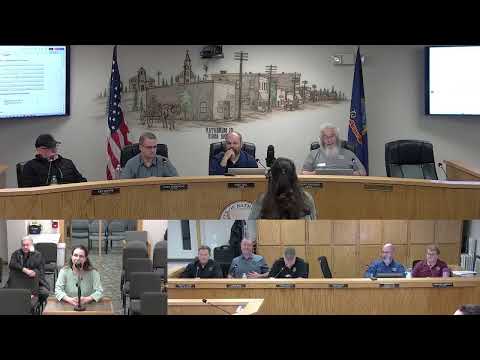
Council reaction and action: Several council members pressed staff for a simple, measurable threshold that would justify an emergency moratorium on new permits. Legal counsel and staff said an imminent‑peril determination requires objective, documented evidence tied to a defined area and explained that a moratorium can be written narrowly (targeting a specified pressure zone) if the evidence supports it. After discussion Councilmember John Hoskins moved to table adoption of any imminent‑peril findings related to water pressure until the council’s second meeting in July to allow additional monitoring and master‑plan modeling; the motion passed.
Why it matters: Residents have reported intermittent low pressure during peak irrigation or morning‑use hours; council said it needs evidence collected during those peak windows before taking broad regulatory actions such as a moratorium. Staff expects to run more continuous pressure monitors through spring and summer to capture peak demand conditions and to refine the hydraulic model in the master plan.
Next steps: Staff listed a near‑term checklist: install additional continuous pressure recorders in areas of concern (Brookshhire/Hollis Woods), run coordinated hydrant and fire‑flow tests, pursue leak detection runs and meter audits, complete the Lancaster looping project, and use the master plan’s hydraulic model to test operational alternatives (pump sequencing, setpoints and storage usage). Council set July as the next review point for any moratorium decision.