Get Full Government Meeting Transcripts, Videos, & Alerts Forever!
Get email alerts on the Council Tone And Public Comment topic
No spam. Unsubscribe anytime.
Residents and council trade sharp remarks as Hamtramck meeting turns to DDA oversight and closed session
Summary
Public commenters decried council ‘‘chaos’’ and urged focus on city services; council reports emphasized unity, but debate continued over DDA roles and public trust before the meeting moved to closed session on litigation and city-manager objectives.
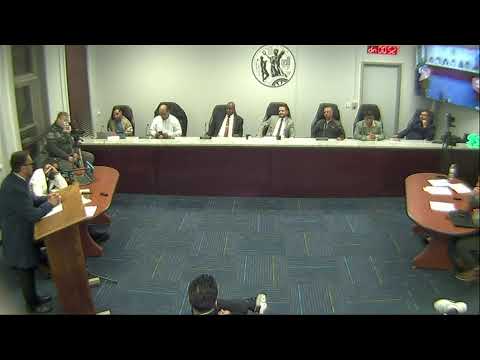
A string of public comments at the Hamtramck City Council meeting expressed frustration with what speakers described as in-fighting among elected officials and a lack of focus on city services.
One commenter used the public comment period to say, “I’m just so upset. I truly I am,” and urged council to stop fighting over power and instead solve community problems. Council members responded in their reports: Mayor Hamdi (who addressed the council during reports) said he had been working with staff to move the city forward and expressed disappointment with some resolutions while urging voters to choose ‘‘compatible people’’ in future elections. Several council members highlighted a recent unity iftar and ongoing community outreach as examples of cooperative work.
In public comment, Mark Corey recommended creating a citizen advisory council to give residents input on the Downtown Development Authority (DDA), noting that DDAs often benefit businesses and recommending a resident advisory body as used in other municipalities.
The meeting closed with the council calling a closed session to discuss pending litigation (Governor Rick Snyder v. Hamtramck) and the city manager’s objectives.
What to watch: whether council members follow through on the city attorney’s direction to draft any necessary ordinances restoring council oversight of CED; whether the DDA oversight and advisory-council discussion spur formal proposals from residents or council members; and whether follow-up discussions over governance and communications reduce public complaints about internal conflict.