Get Full Government Meeting Transcripts, Videos, & Alerts Forever!
Get email alerts on the Redistricting topic
No spam. Unsubscribe anytime.
Appomattox supervisors vote to join amicus brief challenging state redistricting plan
Summary
The Appomattox County Board voted to sign onto an amicus brief supporting Tazewell County’s appeal of the General Assembly’s redistricting plan and agreed to split any law-firm invoice; the decision came after debate over a cited $10,000 potential cost and whether paying would affect the court’s review.
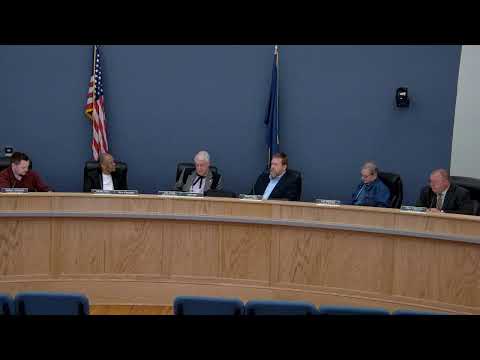
During a county board meeting, Appomattox County supervisors voted to sign onto an amicus brief supporting Tazewell County’s appeal of the state redistricting plan, agreeing to share equally whatever invoice a drafting law firm submits.
The brief would be filed in the Virginia Supreme Court in support of a position that some supervisors described as arguing the General Assembly’s redistricting plan is unconstitutional. Supporters said adding the county’s name would show local opposition; opponents said taxpayer dollars should not be used for litigation that will be decided on constitutional grounds regardless of the county’s participation.
Reverend Jones said he opposed spending county money on the effort, asking, “But why should the county spend $10,000 dollars?” and pressing whether the payment would affect the court’s determination. An attorney or staff speaker responded that adding a locality’s name shows support to the court but will not change the constitutional analysis, and that each participating locality’s attorney would have an opportunity to review and suggest edits to the draft before filing.
Supervisor Hipps made the motion to join the amicus brief; Mr. Roscoe seconded. The motion specified that the county would pay an equal share of the law firm’s invoice. The recorded vote in the meeting transcript shows Mr. Simpson and Reverend Jones voting no; Mr. Roscoe and Mr. Hipps voting yes; and one additional supervisor voice recorded an aye. The chair declared the motion passed.
Board discussion emphasized uncertainty about the final per-locality cost: an attorney cited $10,000 as a possible maximum figure, but noted that the more localities that sign on the lower each locality’s share could be. Some supervisors suggested an alternative course — drafting a county resolution of support instead of contracting outside counsel — to express opposition while reducing expense.
The board did not authorize a specific cap on the county’s payment other than the equal-split commitment; the motion commits the county to share the invoice submitted by the law firm that drafts the amicus brief. The county does not, in the meeting record, specify a maximum dollar amount or set aside a dedicated appropriation.
The board moved on to administrative items after the vote.