Get Full Government Meeting Transcripts, Videos, & Alerts Forever!
Get email alerts on the Naming Policy topic
No spam. Unsubscribe anytime.
Milwaukie adopts naming policy; tribe outlines 'placekeeping' and First Fish heron public-art project
Summary
Milwaukie’s new naming policy — adopted Jan. 6 — aims to standardize how the city names assets. At a May community talk, David Harelson of the Confederated Tribes of Grand Ronde described 'placekeeping' and unveiled plans for a First Fish heron public-art installation at Milwaukie Bay Park, with a March 16 unveiling planned.
Milwaukie’s newly adopted city naming policy was highlighted at a community placekeeping talk where tribal leaders and city staff described how naming can reflect local history, identity and stewardship. Gabriella Santoyo Gutierrez, the city’s equity and inclusion coordinator, said the policy was drafted by staff with input from the parks board and an equity steering committee, drew about 87 responses to an online engagement post, and was formally adopted by the city council on January 6.
“We developed this policy to establish a more consistent and transparent way for Milwaukie to name its assets and facilities,” Santoyo Gutierrez said in her introduction, noting the policy followed months of community outreach and coordination with tribal partners.
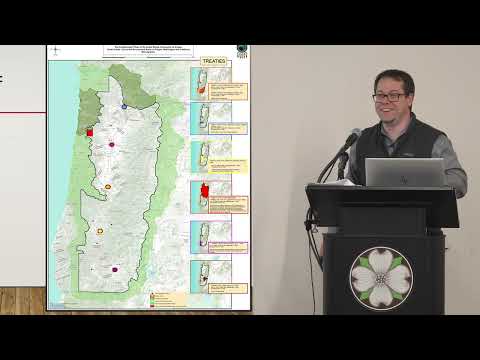
The event’s keynote came from David Harelson, cultural resources department manager for the Confederated Tribes of Grand Ronde, who framed 'indigenous placekeeping' as a practice that centers ecological, historical and cultural relationships to place. He traced local oral histories and treaty-era relocations and argued that naming and public art are ways to make that history visible on the landscape.
“Indigenous placekeeping is a form of engagement that prioritizes ecological, historical and cultural relationships to place while bringing the presence of Indigenous histories and futures into focus,” Harelson said.
Harelson outlined a tribal-led public-art proposal called the First Fish heron project. The plan calls for three permanent plinth bases on the Milwaukie Bay waterfront that will hold commissioned heron sculptures during the spring fish run (roughly March–June). Artists would be invited annually; after a three-month installation the artists may retain or sell their pieces, and the city will seek grants to support commissions.
Harelson said the heron sculptures are intended to both educate the public about the tribal First Fish tradition — which marks the first spring chinook run and pauses fishing to ensure abundance — and to serve as a visible, rotating artwork that signals seasonal fish presence. He named initial participating artists and said the project will begin with three tribal artists and expand through invitations and grant funding.
City staff and tribal partners emphasized process and authenticity: Harelson described successful examples such as Clackamas Community College’s Wino Welcome Center — a name tied to a treaty-signing chief — and cautioned that naming processes that pit communities against each other can cause harm. He urged early tribal consultation, clarity about existing historic place names and sensitivity to local context.
The city confirmed the First Fish plinths are already in place at Milwaukie Bay Park and a public unveiling of the first set of heron sculptures is scheduled for March 16 at 11 a.m. Officials said further details and grant plans will be posted on the city’s engagement site prior to the installation.
The session closed with an audience Q&A in which residents asked about nearby ecological projects and local historical sites; no formal city action was taken at the event.