Get Full Government Meeting Transcripts, Videos, & Alerts Forever!
Get email alerts on the Public Housing Programs topic
No spam. Unsubscribe anytime.
Housing authority reports wait list, eviction filings and $373,000 in absorbed voucher costs; staff outline diversion efforts
Summary
Staff reported 1,400 families on the public‑housing wait list, $234,000 in tenant receivables and $373,000 in voucher payments absorbed after accounting cleanup; staff described eviction‑diversion efforts, data collection plans and YouthBuild and other resident programs.
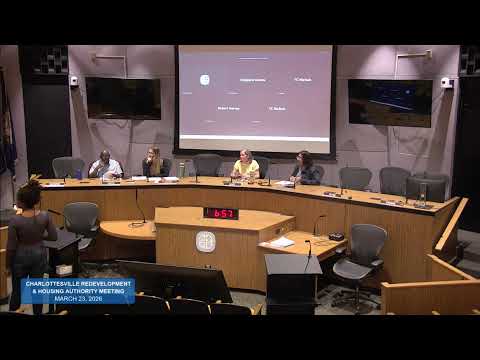
At the meeting, housing authority staff delivered routine public‑housing and voucher program updates, reporting 1,400 families on the public‑housing wait list, 127 non‑payment notices issued that month and total tenant accounts receivable of about $234,000. Staff said $15,000 in emergency assistance had been distributed to delinquent families.
In the Housing Choice Voucher (HCV) report, program staff said a reconciliation effort uncovered roughly $373,000 in past voucher payments owed by other housing authorities dating back to as early as 2017; CRA recorded those amounts on its books to clean up accounts and is pursuing HUD reimbursement through the VMS system. "We were not able to get $373,000 from housing authorities. So we ended up absorbing it," a program staff member said, explaining HUD advised accounting and reimbursement through federal channels.
Board members and staff discussed eviction diversion practices and data collection to measure outcomes after court filings. Staff said many residents engage after non‑payment notices and enter repayment agreements or diversion assistance and that of 36 recent non‑payment filings they estimate about 10–15% proceed to eviction (roughly three or four cases). Staff also said the authority will research zero‑income rent changes and report back.
Resident services director Kathleen Matis described new ideas from the National Low‑Income Housing Conference, a quarterly resident services committee cadence, restart of the Family Self‑Sufficiency program (with a recent graduate), and a YouthBuild grant application for a pre‑apprenticeship program that would provide job training and supports for 16‑ to 24‑year‑olds if awarded.
A public commenter raised concerns about CRA absorbing payments rather than suing to collect; staff replied the debts were aged, collection options were limited, HUD recommended absorbing and seeking federal reimbursement, and CRA has limited practical mechanisms to force payment from other housing authorities.
Staff said they will return with more detailed data on eviction filing outcomes and with follow‑up research into minimum rent approaches and program impacts.