Get Full Government Meeting Transcripts, Videos, & Alerts Forever!
Get email alerts on the Indian Water Rights Settlements topic
No spam. Unsubscribe anytime.
Senate Committee on Indian Affairs presses Congress to fund S.953 Northeastern Arizona Indian Water Rights Settlement
Summary
Committee leaders urged prompt authorization and funding for S.953, the Northeastern Arizona Indian Water Rights Settlement Act, citing decades-long disputes that affect the Navajo Nation, Hopi Tribe and San Juan Southern Paiute Tribe and an estimated federal cost of about $5 billion.
The Senate Committee on Indian Affairs opened a hearing on S.953, the Northeastern Arizona Indian Water Rights Settlement Act, with committee leaders urging Congress to authorize and fund the settlement to resolve decades of litigation and deliver water infrastructure to tribal communities.
Chair Macowski said the hearing was called to examine federal policy on Indian water rights settlements and noted that reserved tribal water rights arise from treaties, federal actions and the government’s trust responsibility. "As many in the West say, settlements deliver what we call wet water, not just paper rights," Macowski said, arguing negotiated settlements provide both legal certainty and the infrastructure tribes need to access water.
The chair framed the bill as addressing long-running disputes among the Navajo Nation, the Hopi Tribe and the San Juan Southern Paiute Tribe over Colorado River water, and stressed the public-health dimension of ensuring reliable running water on tribal lands. Macowski said the administration and tribal negotiators have produced finalized agreements in many cases and that Congress must act to authorize and fund them.
Macowski reviewed recent congressional action on similar settlements, saying the bipartisan infrastructure law created the Indian Water Rights Settlement Completion Fund and provided $2.5 billion to complete previously authorized settlements; he said 17 settlements received support from that fund. He also said the estimated federal cost for S.953 is approximately $5 billion, about double the amount allocated under the infrastructure law.
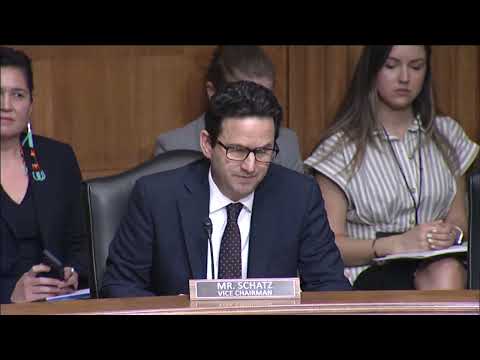
Vice Chair Senator Shots told the committee the tribes "have spent decades in litigation" and have reached negotiated agreements through compromise and cooperation with states and federal agencies. He urged Congress to move pending settlements forward and cited committee-wide tally figures: "To date, Congress has enacted 39 Indian water right settlements with only 25 of them being fully funded. 14 more are pending before us, totaling more than 12 billion dollars," Shots said, calling funding delays unacceptable and warning that inaction prolongs uncertainty for tribes and other water users.
Both leaders framed the choice before Congress as how to meet trust and treaty obligations while balancing fiscal constraints. They said settlements can avoid lengthy, costly litigation and noted that costs tend to grow the longer funding is delayed.
The hearing proceeded from opening statements to invitations for witnesses to testify on S.953 and related settlement issues.