Get Full Government Meeting Transcripts, Videos, & Alerts Forever!
Get email alerts on the Coastal Sand Monitoring topic
No spam. Unsubscribe anytime.
San Clemente expands shoreline monitoring, approves further offshore sand exploration and applies for coastal grants
Summary
Council approved continuing shoreline monitoring, authorized Phase 2 offshore sand exploration after promising cores at Surfside Sunset and the Santa Ana River mouth, reduced local transit subsidies and approved submission of state grant applications for nature‑based sand‑retention and Army Corps design funding.
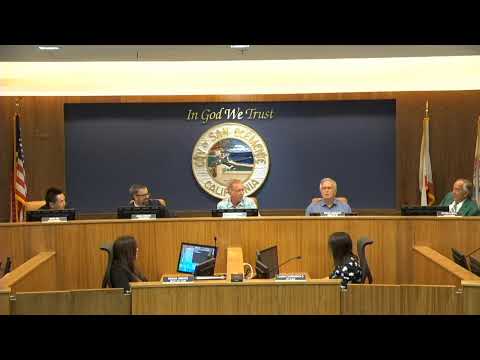
San Clemente city officials on March 17 moved to strengthen coastal preparedness by renewing shoreline monitoring, funding further offshore sand exploration and pursuing state grants for sand-retention and Army Corps design work.
The city’s coastal administrator and consultants presented fall 2025 monitoring results showing a mixed shoreline: historically narrow beaches and long-term erosion at the north (Doheney) and south (Cotton’s Point) ends of the jurisdiction, but above-average widths in the Pier Bowl area, aided in part by Army Corps nourishment in 2024. The monitoring showed net loss across the city over decades; staff reported an estimated ongoing loss of beach area and emphasized that replenishment will be required to protect infrastructure and recreational beaches.
Phase 1 offshore sampling identified unsuitable fine/silty deposits at Dana Point and San Mateo Point, while promising sand was found at Surfside Sunset, pockets at a Saninopre area and two cores near the Santa Ana River mouth with low fines and a D50 compatible with San Clemente beaches. Council approved staff’s recommendation to move to Phase 2 sampling and accepted a cooperative contribution from MetroLink/SCRRA to help fund the next field campaign.
“Sea level rise aside, the beaches are in a sediment deficit,” the coastal administrator said. Staff described a regional strategy that mixes nearshore borrow identification, opportunistic river and inland-sourced sand (SCOOP/river delivery), and larger regional projects being planned by OCTA and Southern California partners.
Monitoring and grants: Council approved a contract renewal to continue fall/spring beach profiles across an expanded transect network (city/OCTA coordination) and agreed to submit two grant applications: one to state Boating & Waterways for a nature‑based sand‑retention design phase and one to DBW for pre‑construction engineering and design of Army Corps Stage 2 work. The city discussed match requirements (DBW public beach restoration typically has an 85% state / 15% local split; other programs vary) and directed staff to pursue grants while clarifying local match options before construction obligations would be accepted.
Why it matters: San Clemente faces an ongoing sediment deficit and recurring infrastructure risk (restrooms, lifeguard headquarters, stair accesses). Staff emphasized that adding sand – from offshore, river, or permitted inland sources – and designing retention features to keep sand in place are complementary strategies. Council voted to pursue the full monitoring and exploration program so the city is positioned to execute nourishment when funding and suitable material become available.
Speakers quoted (first references): Leslia Meyerhoff, coastal administrator; Greg Hiron, consultant; Zach Ponson, assistant city engineer.
Authorities/actions: Council adopted resolutions to fund Phase 2 offshore investigation and to renew the shoreline monitoring contract; it also adopted the resolution reducing the SC Rides subsidy (transport) to preserve grant match flexibility.
Ending: Staff will continue Phase 2 cores where earlier results were promising, coordinate monitoring with OCTA transects, and return with grant application outcomes and recommended match strategies before any construction-phase commitments.