Get Full Government Meeting Transcripts, Videos, & Alerts Forever!
Get email alerts on the Budget Override topic
No spam. Unsubscribe anytime.
Dennis‑Yarmouth superintendent outlines $2.13M contingency plan if Yarmouth override fails
Summary
Superintendent Doug Smith said Yarmouth’s proposed override is roughly $1.48 million (Dennis just under $350,000). He told the committee that, if Yarmouth voters reject the override, the district would have to reduce its operating budget by $2,129,996 and develop contingency plans that would likely include significant personnel reductions.
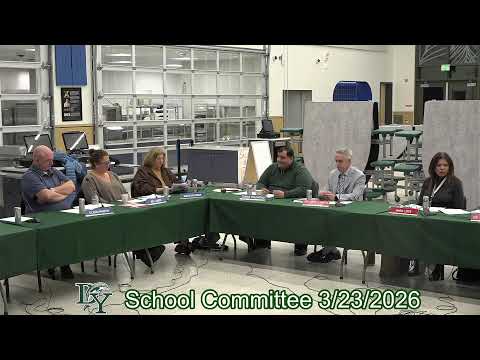
Superintendent Doug Smith told the Dennis‑Yarmouth Regional School Committee on March 23 that the committee‑approved operating budget represents a 4.223% increase in his presentation and that the district is preparing contingency plans in case the Yarmouth override fails.
Smith reported that the Yarmouth Finance Committee has recorded support for placing the override on the ballot and that the towns’ requested override amounts are roughly $1.48 million for Yarmouth and just under $350,000 for Dennis. He warned that if Yarmouth voters approve the municipal budget but reject the override, the district must reduce its operating budget by $2,129,996 to keep Yarmouth’s assessment below the override threshold.
"We had a classic example around transportation... when you zoom out and look at transportation as a whole," Smith said, urging the public and committee members to consider the big picture of district spending rather than isolated line items. He said the district is preparing contingency lists and has asked department leads and building principals to return recommendations by the end of the week.
Smith outlined an illustrative staffing impact: the district is using an average salary figure of roughly $85,000 per staff position when estimating savings from not filling a vacancy, but each position also carries an unemployment‑insurance liability of about $21,000, producing a net approximate savings of $64,000 per position. "It almost... boils down to 40 positions," a committee member summarized in response to that math, acknowledging the scale of potential reductions.
Smith emphasized transparency in budgeting: "We've really taken it to a whole another level this year in that providing the committee much earlier, the line item detail, getting that out to the public as well." He said the committee and administration would present contingency scenarios publicly so residents understand the stakes if overrides fail.
Other matters: Smith provided updates on personnel changes (an accountant position is posted; Treasurer Mr. New intends to retire at the end of the year) and the MEES building committee’s feasibility‑study timeline and upcoming OPM selection. The committee was reminded of a legislative breakfast DY will host on April 13 and of the next school committee meeting, April 6.
Why it matters: The override outcomes in the two sending towns will directly affect program offerings, class sizes and personnel decisions across the district. The district is preparing to prioritize core instructional programs while identifying extracurricular and periphery items that might be cut if reductions are required.
Votes at a glance: The committee approved the consent agenda (acceptance of donated games and approval of Jan. 5 minutes) by voice vote during the meeting; no vote was taken on opening the regional agreement.