Get Full Government Meeting Transcripts, Videos, & Alerts Forever!
Get email alerts on the Civil Liberties topic
No spam. Unsubscribe anytime.
Residents urge Wooster Council to refuse cooperation with ICE and question Flock surveillance contract
Summary
Eight residents urged Wooster City Council on March 16 to adopt policies limiting local cooperation with Immigration and Customs Enforcement and demanded answers — or rescission — of the city's contract with Flock surveillance cameras, citing privacy and civil‑liberties concerns.
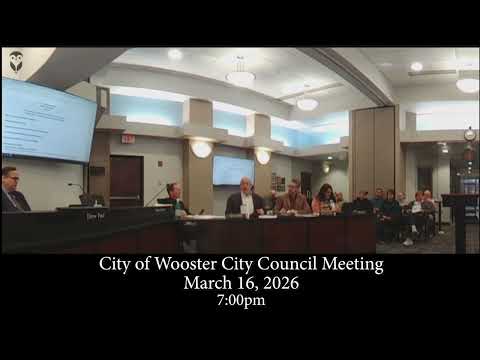
Multiple residents used the public-comment period at the March 16 Wooster City Council meeting to urge the council to prevent local cooperation with U.S. Immigration and Customs Enforcement and to answer questions about the city’s contract with Flock surveillance cameras.
Reverend Walter Clark, minister at the Unitarian Universalist Fellowship of Wayne County, said cooperation with ICE would "diminish the local reputation" of Wooster police and erode community trust, making routine policing more difficult. He urged the council to avoid arrangements that align local law enforcement with federal tactics he characterized as "heavy-handed."
Several other speakers raised legal and practical concerns. Herbert Weber pointed to Ohio Senate Bill 172 and Department of Homeland Security language he said risk presuming guilt by permitting detentions based on suspected unlawful presence. Joe Harper urged the council to pass a resolution refusing city or state resources to assist ICE operations in Wooster, arguing such cooperation undermines trust and diverts local resources.
Speakers pressed specific privacy and data questions about the city's contract with Flock. Eva Lyon said the city contracted with Flock in the fall of 2024 and asked who requested the system, where footage and metadata are stored, whether data is shared with federal agencies (including ICE and CBP), what AI tools are used, and the taxpayer cost; she asked the council to rescind the contract until those questions are answered. Alex Nord urged the council to prepare clear directives for local law enforcement to prioritize residents' rights and safety should ICE operations occur locally.
Council members thanked speakers and acknowledged the concerns but did not record any immediate policy votes or directives during the meeting. Staff and council noted operational follow-ups (for example, microphone upgrades were scheduled); the transcript does not record a response from city legal staff or a scheduled staff report addressing the Flock contract or a formal resolution on ICE cooperation.
What is known from the meeting transcript: multiple residents asked for a council-level policy or resolution limiting local cooperation with ICE and sought clarity or rescission of the Flock camera contract; no formal action on either request was recorded at the March 16 session. The council has not publicly answered the specific data‑sharing and contract‑management questions raised during the public comment period in the meeting transcript.