Get Full Government Meeting Transcripts, Videos, & Alerts Forever!
Get email alerts on the Municipal Liability topic
No spam. Unsubscribe anytime.
Appeals Court hears disputed presentment and discovery issues in Bertrand v. Boston Police Department
Summary
An appeal over whether a municipal defendant can be sued on a negligent‑entrustment theory without earlier presentment dominated argument. The city argued the discovery rule and present‑execution doctrine did not excuse timely presentment; the plaintiff said key facts about the driver's record were inherently unknowable until deposition.
The panel considered whether a proposed negligent‑entrustment claim against the City of Boston should have been presentmented and whether discovery and deposition testimony made the claim timely.
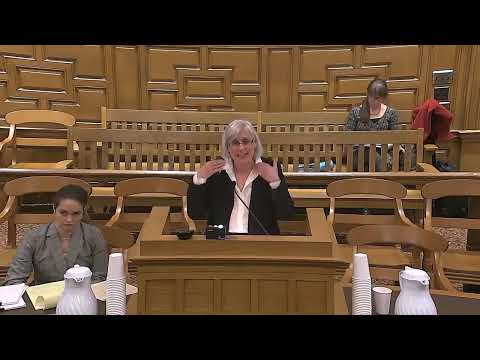
City counsel Elizabeth Tbaji argued the doctrine of present execution permitted interlocutory review and that the discovery rule does not excuse reasonable further inquiry; she said the plaintiff knew the injury and the identity of the municipal driver earlier and could have pursued records or subpoenas within the presentment window.
Appellant counsel Ronald Dardino countered that the city’s knowledge about its driver’s background — and what the city knew at hire — was not discoverable through public records and only emerged at deposition when the driver testified about his history and the city's awareness. Dardino urged the court to affirm a lower‑court ruling that the negligent‑entrustment claim was inherently unknowable during the shorter presentment period and therefore timely when later disclosed.
The judges questioned timing, the scope of presentment letters, and the tension between encouraging early resolution of municipal claims and the practical limits of uncovering internal personnel records. The court took the arguments under advisement.