Get Full Government Meeting Transcripts, Videos, & Alerts Forever!
Get email alerts on the Indictment Sufficiency topic
No spam. Unsubscribe anytime.
Appeals court hears challenge that Milan indictments omitted updated scienter language
Summary
In Commonwealth v. Milan, defense counsel argued indictments repeating an older version of G.L. c. 272 §28 failed to plead the 'knows or believes to be a minor' scienter element; the panel and Commonwealth debated whether precedents (Dowy, Paladino, Jones) allow the omission and whether grand-jury minutes or waiver affect relief.
Good morning. The Massachusetts Appeals Court on Monday wrestled with whether six indictments against Michael Milan were legally sufficient after defense counsel David Osborne said the filings used language from a pre‑2011 version of the statute and failed to plead the key scienter element requiring that a defendant know or believe the recipient to be a minor.
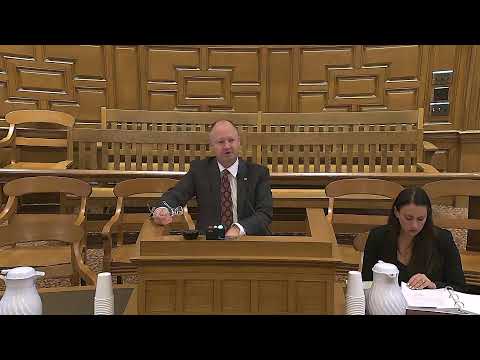
Osborne, representing the appellant, told the panel that all six indictments used substantially identical language drawn from an outdated statutory text and that the absence of the "knows or believes to be a minor" phrasing meant the grand jury never alleged conduct that would sustain a dissemination conviction. He asked the court to dismiss the indictments and reverse the convictions, arguing the defect is more than clerical and raises double‑jeopardy problems if a later re‑indictment would change the substance of the charged offense.
The panel pressed the defense on procedural posture and waiver. Justice Me and other members of the panel queried whether any objection to the indictment had been raised below and whether the claim was jurisdictional. Osborne said his briefs framed both a jurisdictional claim and an independent failure‑to‑allege‑a‑crime argument and pointed to the grand‑jury minutes to show the grand jury received no evidence about the legislatively amended scienter exception.
Commonwealth counsel Kristen Jen countered that the court's precedents, particularly Commonwealth v. Dowy, allow an indictment to omit verbatim recitation of every statutory element so long as the defendant had fair notice and the statute is referenced. She argued that cases the defense relied on were factually distinguishable or concerned possession rather than dissemination, and that the record showed no unfair surprise to the defense at trial.
Both sides debated the effect of the Supreme Judicial Court's reading of Jones (and related decisions) that previously implied or supplied a scienter element. The judges asked about the practical consequences: if the indictments were defective, could the Commonwealth re‑indict; would statute‑of‑limitations or double‑jeopardy doctrines bar reprosecution; and whether the grand‑jury transcript altered the fairness analysis.
The panel did not rule from the bench and took the case under advisement. The parties were repeatedly questioned about the interplay among Paladino, Dowy, Jones and later decisions; the justices flagged the narrowness of Dowy (a clerical omission cured by other parts of the indictment) and asked whether those facts were comparable here.
The court's next step is to issue a written decision resolving whether the indictments’ wording is legally adequate or whether remedying language omissions would constitute a substantive change requiring dismissal.